
Featured

Women leading the way: Highlights from HCLTech’s #ShePowersProgress event
Celebrating women in technology, leadership and sports at HCLTech’s Amsterdam office, with insights on GenAI, mental health and the importance of DEI in the workplace
Top stories
All content

With record-breaking heatwaves and unprecedented flooding, it’s time to turn to technology to mitigate the impact of these natural threats
Learn more
Adopting ecosystem collaboration to drive sustainability
IT ecosystem collaboration has the ability to create value and drive innovation for an organization, while also generating new revenue streams
Learn more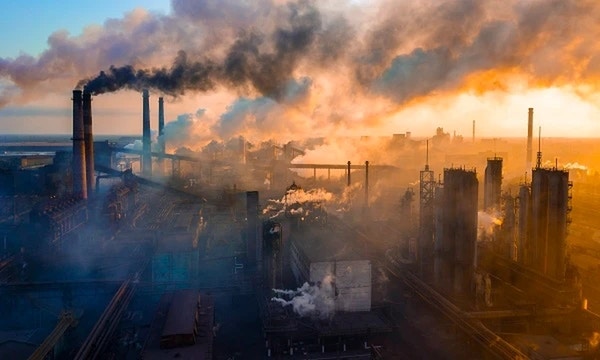
Four ‘scopes’ to address emissions
Sustainability matters when emission levels need to be addressed. Following industry best practices can make the difference
Learn more
Three technologies supporting a circular economy
To accelerate the move toward a circular economy, organizations must embrace a range of technologies
Learn more
How tech can help build trust and eliminate greenwashing
Santhosh Jayaram, Global Head of Sustainability at HCLTech, explores the importance of tech in eliminating greenwashing
Learn more
Episode 3: Asset and product maintenance and its role in driving more sustainable business
In the third episode of our podcast series, Graham Saunders, SAP Global Offerings Lead, and Colin Breakwell, Global SAP Product Development Lead, HCLTech explore the business impacts of new consumer
Listen Now
A non-profit special interest group is establishing an ISAC to share information and analysis on food delivery and the agriculture supply chain
Learn more
Tapping into generational knowledge and expertise is crucial to cultivate collaboration and inclusivity
Learn more
Looking at the current environmental issues, this podcast explores how technology can be used as a force for good in addressing environmental challenges. During the discussion, Aoife Walsh
Listen Now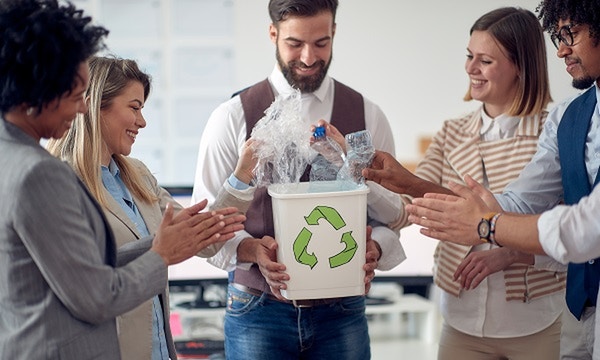
The theme of World Environment Day 2023 is #BeatPlasticPollution
Learn more
How blockchain can support climate action
This secured and transparent technology can disrupt various industries, while reducing carbon footprints and adding to green initiatives
Learn more
How tech is swiftly driving sustainable consumerism
Strategic decisions on the right technology adoption play a pivotal role in addressing the buying behaviors of consumers
Learn moreTrending questions
Sustainability is defined as the avoidance of the depletion of natural resources in order to maintain an ecological balance. To achieve sustainability goals, businesses should focus on the values of innovation, entrepreneurship, humanity and a people-centric culture.
Businesses have a responsibility to be sustainable across the supply chain, from manufacturing to the front-end with the customer. This is an expectation from all stakeholders, including employees, customers and suppliers. In addition, sustainability can serve as an important tool to drive business outcomes. According to McKinsey, 33% of businesses are integrating a sustainability strategy to improve operational efficiency and drive down costs.
ESG sustainability stands for environmental, social and governance. These three core aspects should be built into any sustainability strategy. Environment focuses on driving eco-efficiency and reducing the impact of climate change. Social focuses on investing in diversity, equity and inclusion (DEI), local hiring and corporate citizenship. And governance focuses on sustainable procurement, a strong governance and ethics framework and a holistic IT security and data protection strategy.
Sustainability is important because it is the key to a better future. Sustainability helps improve people’s quality of life, protects all of earth’s ecosystems and ensures that natural resources are available for future generations. If sustainable practices are not adopted at scale, then climate change will cause irreversible damage, the environmental health of the planet will suffer, humans will not be able to maintain their quality of life and entire natural habitats and species will be lost.
Businesses can be more sustainable by acting in the most responsible and sustainable manner possible to ensure every resource is used efficiently to maximize value. In addition, businesses can be more sustainable by working with clients, communities and every stakeholder for a sustainable future. Looking forward, businesses must focus on creating sustainable impact through all initiatives and activities.
Cleantech or clean technology refers to products, services and technologies that enhance operational performance, productivity or efficiency while reducing costs, inputs, energy consumption, waste or environmental impact. Cleantech is associated with a variety of sectors including renewable energy, green transportation, energy-efficient technologies and sustainable water and waste management.
Subscribe to the HCLTech Newsletter
for our latest news and insights