
Life Sciences and Healthcare

Generative AI is driving a new era of innovation and disruption
AI and automation have already changed how we do business and innovate, but now generative AI is ready to take technology disruption to the next level

Kalyan Kumar, Global Chief Technology Officer and Head – Ecosystems at HCLTech, reveals seven key technology trends that will define the next decade

AWS Life Sciences Competency
Through cloud computing in life sciences, HCLTech’s goal is to provide a greater focus on interoperability and seamless integration across the life sciences ecosystem

4 technologies driving the digital engineering explosion
The growth of the digital engineering market is driven by the use of digital technologies and the demand for software-based solutions to address complex business problems

8 industries set to be transformed by digital engineering
The demand for digital engineering has accelerated and this is expected to have a significant impact on the future of eight industries

How to protect organizations as cybersecurity concerns grow in the UK
The UK had the highest number of cybercrime victims per million internet users at 4,783 in 2022–up 40% since 2020

The lull before the cyberattack storm
Worldwide geopolitical instability has exacerbated the risk of catastrophic cyberattacks in the coming years

Looking at the Metaverse reality in 2023
With Metaverse technology still in its fledgling stages, use cases are springing up across a range of industries

The future of the enterprise in the cloud is data-centric, according to Dr. Andy Packham, Chief Architect of the Microsoft Ecosystem Unit at HCLTech

Reimagining the future of work with digital engineering
The workplace has changed. In a remote environment, how is digital engineering supporting continued productivity and human interaction?
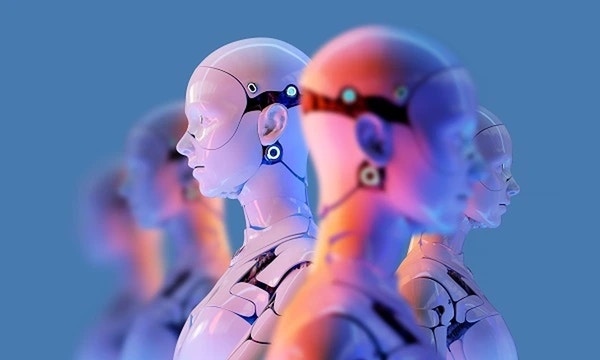
As technology is integrated into our daily lives, the impact of AI—especially Generative AI—continues to grow, both in a good way as well as ways that are causing concern

HCLTech Positioned As A Leader And Star Performer In Everest Group’s Healthcare Provider Digital Services PEAK Matrix® Assessment 2023
Everest Group recently released its report titled Healthcare Provider Digital Services PEAK Matrix® Assessment 2023.
