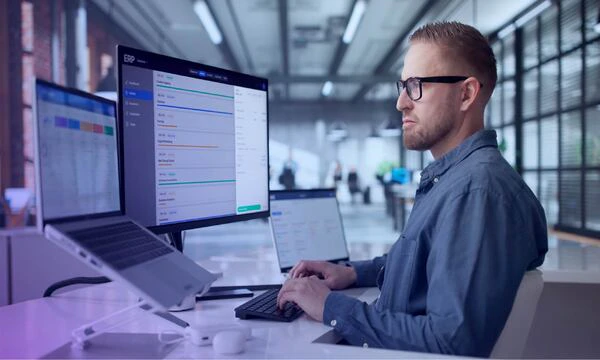
Employee expectations have shifted dramatically in the digital era. Today’s workforce wants workplace technology that feels intuitive, seamless and genuinely supports productivity no matter where they work. As organizations invest in digital workplace transformation, delivering a positive workplace experience has become a strategic business priority, not just an HR initiative.
Workplace experience management (WEM) is the practice of designing, measuring and continuously improving how employees interact with workplace technology, services and digital environments. It’s about understanding the real employee experience across devices, applications, support services and collaboration platforms to create a more productive and engaging workplace.
Modern digital workplace experience management helps organizations spot friction points, boost employee satisfaction and drive better business outcomes. For enterprises investing in platforms like HCLTech Digital Workplace Solutions, WEM is central to building connected, intelligent and employee-centric digital workplaces.
Understanding workplace experience management
To truly understand workplace experience management, you have to look beyond technology performance alone.
WEM is about the complete employee experience spanning workplace systems, applications, support services and every digital interaction. It brings together technology, analytics and employee feedback to ensure workplace environments enable productivity rather than create barriers.
A successful workplace experience management approach helps organizations:
- Improve employee satisfaction
- Reduce workplace friction
- Enhance digital adoption
- Increase productivity
- Strengthen collaboration
- Improve IT service quality
- Support hybrid work models
As organizations digitize work, workplace experience has become a key driver of employee engagement, retention and business performance.
WEM vs digital employee experience
It’s easy to confuse workplace experience management with digital employee experience but they’re not the same.
Digital employee experience (DEX)
Digital employee experience focuses on how employees interact with workplace technologies. It measures the quality of digital interactions across devices, applications, collaboration tools and support services.
DEX primarily answers questions like:
- Are workplace tools easy to use?
- Are applications performing effectively?
- Are employees able to work without technology-related disruptions?
Workplace experience management (WEM)
Workplace experience management is broader. It includes digital employee experience but also covers governance, measurement, service delivery, workplace design and ongoing improvement.
Simply put, DEX measures the employee experience WEM provides the framework to manage and improve it.
Organizations that invest in digital workplace experience management use DEX insights to drive workplace improvements and business outcomes.
Key components of workplace experience management
Effective workplace experience management blends technology, processes and employee-centric strategies.
Key components include:
- Digital experience monitoring
Continuous monitoring reveals how employees interact with workplace tools and services. - Employee feedback mechanisms
Surveys, sentiment analysis and feedback channels give direct insight into employee experiences. - Workplace analytics
Analytics platforms surface patterns, trends and areas where productivity might be affected. - Service management
Efficient IT and workplace support services are critical to maintaining a positive employee experience. - Automation and self-service
Self-service options reduce employee effort and improve access to support resources. - Continuous improvement programs
Regular evaluation and improvement based on employee insights and operational data keeps the workplace experience evolving.
Together, these elements form a comprehensive workplace experience framework that supports both employees and business objectives.
Role of analytics in workplace experience management
Analytics is now one of the most important enablers of modern digital workplace experience management.
Without measurable insights, organizations are left guessing when making workplace decisions. Analytics provides objective visibility into how employees experience workplace technology and services.
Workplace analytics can help organizations:
- Identify application performance issues
- Monitor device health and reliability
- Measure employee sentiment
- Analyze service desk trends
- Understand digital adoption rates
- Detect productivity barriers
Many organizations rely on a digital workplace experience management tool to bring these insights together in a single view of employee experience.
By combining operational data with employee feedback, organizations can make informed decisions that improve both productivity and satisfaction.
Benefits of workplace experience management
The benefits of workplace experience management reach employees, IT teams and business leaders alike.
- Improved employee productivity
Employees spend less time dealing with technology issues and more time on meaningful work. - Better employee satisfaction
Positive digital experiences drive stronger engagement and workplace satisfaction. - Enhanced technology adoption
Employees are more likely to embrace new workplace technologies when experiences are intuitive and frictionless. - Reduced IT support burden
Proactive monitoring and self-service capabilities lower service desk volumes and support costs. - Stronger business performance
Organizations with positive workplace experiences often see higher workforce productivity and operational efficiency. - Improved talent retention
Employees expect modern digital workplace experiences. Organizations that meet these expectations are better positioned to retain top talent.
Use cases of digital workplace experience management
Organizations are applying digital workplace experience management across a range of transformation initiatives.
- Hybrid work enablement
WEM ensures employees receive consistent experiences, no matter their location or device. - Employee support optimization
Analytics helps identify recurring support issues and improve service delivery. - Digital adoption programs
Organizations monitor adoption rates for workplace technologies and spot areas needing extra training. - Application performance improvement
Real-time monitoring lets IT teams resolve issues proactively—before they impact employees. - Employee experience transformation
Many organizations appoint a workplace experience manager to oversee employee experience initiatives and align technology investments with business goals.
These use cases show how workplace experience management has evolved into a strategic capability—not just an operational function.
Best practices for improving workplace experience
Organizations looking to improve workplace experience should focus on a few key practices.
- Measure employee experience continuously
Combine employee feedback with operational data for a complete view of workplace performance. - Prioritize employee-centric design
Make technology decisions based on employee needs and usability, not just technical requirements. - Invest in proactive support
Identify and resolve issues before they disrupt productivity. - Use analytics to drive decisions
Base workplace improvements on measurable insights, not assumptions. - Align technology with business outcomes
Ensure workplace experience initiatives support broader goals like productivity, engagement and operational efficiency.
Organizations that consistently apply these practices are better positioned to deliver sustainable workplace improvements.
The future of workplace experience management
As digital workplaces become more intelligent, workplace experience management will play an even bigger role in business success.
AI-powered analytics, predictive support and workplace automation are helping organizations spot issues before employees do. This shift from reactive support to proactive experience management is changing how organizations think about workplace performance.
Industry research backs this up. Deloitte’s Global Human Capital Trends research shows organizations that prioritize employee experience are more likely to achieve stronger workforce performance and business outcomes. McKinsey research also highlights the connection between employee engagement, productivity and organizational success.
The message is clear workplace experience is no longer just an IT concern. It’s a business imperative.
Conclusion
The quality of the workplace experience shapes how employees engage, collaborate and perform. In a digital-first environment, organizations can’t afford to treat employee experience as an afterthought.
Workplace experience management provides the framework to understand, measure and continuously improve how employees interact with workplace technology and services. By combining analytics, employee feedback and proactive support strategies, organizations can create more productive and engaging work environments.
For enterprises investing in HCLTech Digital Workplace Solutions, digital workplace experience management is a chance to move beyond traditional workplace operations and build truly employee-centric digital workplaces.
Organizations that succeed in the future of work won’t just deploy new technologies—they’ll focus on creating workplace experiences that strengthen productivity and drive long-term business value.