
Featured

Why Verizon Business is betting on AI and cloud as the future of telecom
Chau Dang, VP of Operations, Governance and Strategy at Verizon Business, discusses how AI and cloud infrastructure are pivotal in transforming telecom and meeting evolving customer expectations
Top stories
All content
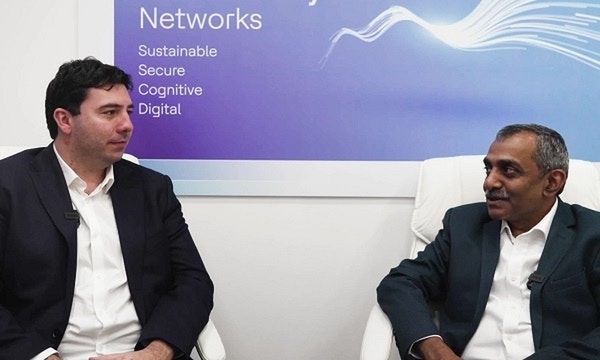
To fully realize the potential of 5G, telecom service providers need to embrace AI and innovation ecosystems made up of mobile operators, OEMs, systems integrators, hyperscalers and startups
Learn more


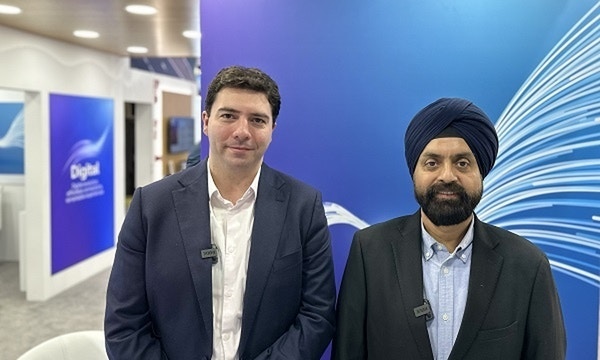
As 5G matures, exciting use cases are emerging with the potential to transform different industries
Learn more
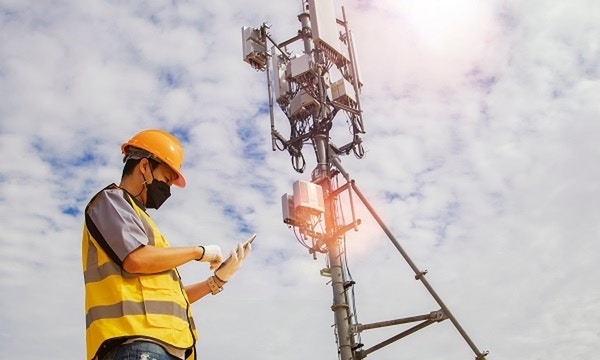
Digital transformation of IT infrastructure, AI adoption and cloud migration are helping telcos cut costs, enhance efficiency and adhere to sustainability goals
Learn more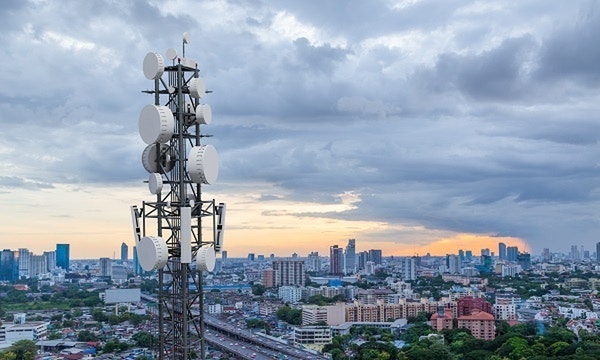
5G adoption will improve connectivity for enterprises and create new value in an increasingly digital world
Learn more
Rigorous testing and validation are key for 5G success. Here’s a closer look at how to test the next-generation infrastructure
Learn more
Rajesh Natarajan, CTO - Hyperscaler, System Integrator and SaaS at AT&T and Puneet Kumar, VP, Telecom, Media and Entertainment at HCLTech discussed the main trends shaping the future of 5G technology
Learn moreTrending questions
5G ist ein Mobilfunkstandard, der den drahtlosen Internetzugang und die Konnektivität mit wesentlich höheren Geschwindigkeiten ermöglicht. 5G wird eine entscheidende Rolle in der gesamten Wertschöpfungskette des industriellen Wandels spielen.
5G und andere drahtlose Kommunikationssysteme nutzen Funkfrequenzen, um Daten von einem Gerät zum anderen zu übertragen. Um eine bessere Konnektivität zu erreichen, arbeitet 5G mit hohen Funkfrequenzen, wodurch mehr Daten mit einer höheren Geschwindigkeit übertragen werden können. Um sicherzustellen, dass diese Signale nicht blockiert werden, installieren die Anbieter mehr 5G-Sender und -Antennen, um das drahtlose Netzwerk bei seiner Einführung zu unterstützen.
4G und 5G sind Technologiestandards für zellulare Breitbandnetze. 5G hat 4G ersetzt. Der Technologiestandard der fünften Generation ist 10-mal schneller als 4G und ermöglicht schnellere Downloadgeschwindigkeiten und eine schnellere Verbindung zum Internet.
5G ist wichtig, denn es wird schnellere Geschwindigkeiten liefern und mehr Geräte aufnehmen können als 4G-Netze. Es wird das Bindegewebe bilden, das Innovationen in verschiedenen Branchen unterstützt und Unternehmen in die Lage versetzt, ihre Produktivität zu steigern und neue Möglichkeiten zu schaffen, indem sie riesige Datenmengen sofort über dezentrale Netze übertragen können. Die Frage ist nicht mehr, warum Unternehmen 5G nutzen sollten, sondern wie sie die Einführung beschleunigen und Einnahmen aus diesen neuen Lösungen und Diensten erzielen können.
Subscribe to the HCLTech Newsletter
for our latest news and insights