

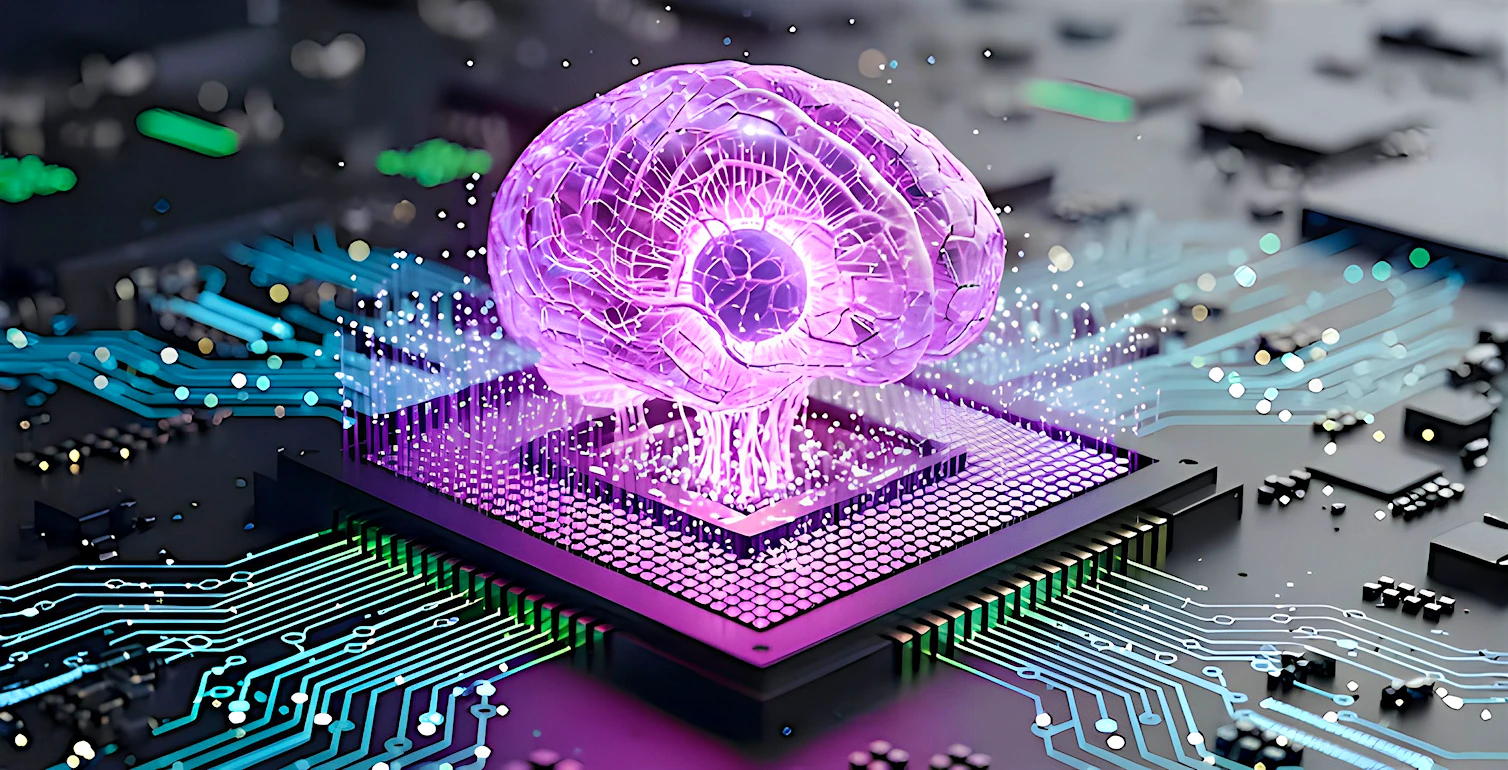
The convergence of AI and semiconductor design is redefining how technology scales, performs and delivers business value. At a recent HCLTech webinar for campus students, we discussed how AI-powered VLSI (Very Large-Scale Integration) design is shaping the future of integrated circuits and semiconductor innovation.
Engineering excellence at scale
Global technology organizations are leveraging decades of engineering expertise to deliver transformative solutions. With a strong foundation in digital engineering, cloud, AI and software services, organizations like ours continue to support some of the world’s largest enterprises by combining cutting-edge technology with deep human expertise.
At the core of this approach lies a philosophy centered on the art of the possible—enabling clients to deploy practical, scalable and high-impact technology solutions at speed. Backed by over 40 years of engineering heritage, this mindset allows enterprises to continuously adapt to changing business needs while delivering intelligent, efficient and outcome-driven solutions.
The power of people and global collaboration
A key differentiator here is the role of people in driving innovation. Global teams collaborate across geographies and time zones, working seamlessly to co-innovate for both emerging disruptors and established Global 2000 organizations. These partnerships span industries including but not limited to financial services, manufacturing, retail, life sciences, healthcare, telecom, media and technology.
Through this collaborative model, organizations are consistently recognized by industry analysts for delivering sustainable and transformative business outcomes—balancing creativity with pragmatism, and innovation with execution.
AI-powered VLSI design: Transforming semiconductor workflows
We are noticing the growing impact of AI and machine learning on VLSI design. AI-powered methodologies are now being integrated across the semiconductor design lifecycle to enhance automation, optimization, verification and performance testing of integrated circuits.
These advancements are enabling faster design cycles, improved accuracy and more efficient resource utilization. By embedding intelligence into VLSI workflows, we are not only improving product performance but also accelerating time-to-market—an essential advantage in today’s competitive semiconductor ecosystem.
Preparing for the future of semiconductor innovation
Career opportunities are expanding within the semiconductor industry, which continues to experience significant global growth. As AI, data engineering and advanced chip design converge, demand is rising for skilled professionals capable of driving the next-generation innovation that will define the future of the industry.
As organizations continue to innovate at the intersection of engineering excellence and artificial intelligence, we remain committed to delivering smarter solutions, meaningful outcomes and sustainable progress for our clients, communities and the planet.
