
 Artikel anhören
Die Automobilindustrie steht vor einer neuen Ära, in der die bedeutendste Veränderung nicht das ist, was der Fahrer sieht, sondern das, was er erlebt: Software, die das Fahrzeug spürbar intelligenter und persönlicher macht.
Dieser Wandel ist durch vier Kernaspekte geprägt, auf zwei davon hat die Branche keinen direkten Einfluss. Zunächst einmal ist die fragile Handelspolitik zu nennen, einschließlich der neuen Zollrisiken, die die Lieferketten sowie die Produktionskapazitäten belasten und somit Planungen erschweren können. Der zweite Faktor beschreibt das Tempo, mit dem Veränderungen durch Wettbewerber eintreten, die bereit sind, Entwicklungs- und Konsummodelle neu zu definieren. Dabei ist die Bereitschaft für umfangreiche Investitionen und eine höhere Toleranz für schnellere Entwicklungsstufen erforderlich.
Die beiden anderen Faktoren kann die Automobilindustrie selbst aktiv beeinflussen: Der eine ist die Senkung der Ausgaben, da die Budgets von Jahr zu Jahr knapper werden und genauere Entscheidungen darüber erforderlich machen, wo Investitionen sinnvoll sind. Der andere ist der Übergang zu softwaregestützten Fahrzeugen, Abläufen und Kundenbeziehungen.
Zusammen führen diese Veränderungen dazu, dass sich die Branche von einer Produktwelt, in der die Funktionen zum Zeitpunkt des Verkaufs festgelegt sind, zu einer Welt der Nachfrage und Personalisierung wandelt. So entwickeln sich Funktionalitäten weiter und die Monetarisierung erstreckt sich über den gesamten Lebenszyklus.
Die folgenden sechs Trends zeigen, wie sich dies in der Praxis auswirkt und worauf sich die führenden Unternehmen der Automobilbranche im Jahr 2026 konzentrieren sollten.
Trend 1: Autos werden kontinuierlich immer besser
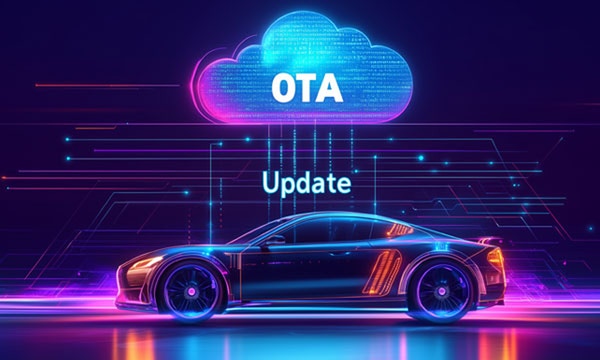
Im Jahr 2026 werden nicht die Marken, die bei der Markteinführung die längste Ausstattungsliste vorweisen können, zur Führungsspitze der Branche gehören, sondern es werden diejenigen sein, deren Fahrzeuge sich auch nach dem Kauf konstant und zuverlässig verbessern. Regelmäßig erscheinende Updates für das Fahrzeug sorgen dafür, dass nicht nur das Infotainment an Bord, sondern auch Aspekte wie die Effizienz, der Komfort oder auch die Diagnoseoptionen spürbar optimiert werden.
Bislang wurden viele Autos aus einem Flickenteppich von Systemen entwickelt, der nicht optimal miteinander verknüpft war. Das bremste Änderungen nicht nur aus, sondern machte diese auch zu einem Risiko. Im Jahr 2026 kehrt sich diese Logik um: Die kontinuierliche Verbesserung der Autos wird zu einer grundlegenden Erwartungshaltung und die Aktualität der Software für die Dauer der Nutzung zu einem Qualitätsmaßstab.
Trend 2: Schluss mit KI-Stückwerk, größere Maßstäbe werden Realität
Mittlerweile geht es nicht mehr nur darum, eine beeindruckende KI-Demo zu präsentieren. In diesem Jahr zählt insbesondere der Nachweis, dass die Fahrassistenz immer sicherer und reibungsloser wird. Systeme werden immer ausgefeilter und so komplex, dass sie kaum noch von menschlichem Handeln zu unterscheiden sind. Dabei werden sie kontinuierlich überwacht, anhand von Erkenntnissen aus der Praxis verbessert, mit „Was-wäre-wenn“-Szenarien getestet und dann durch kontrollierte Rollouts aktualisiert.
Diese neuen Möglichkeiten werden Realität, weil die dafür erforderlichen Tools und Rechenkapazitäten endlich ausgereift genug sind. Hierfür erwarten Regulierungsbehörden, Versicherer, Flottenbetreiber und Kunden heutzutage jedoch Beweise statt leerer Versprechungen. Bis dato waren Daten oft inkonsistent und es gestaltete sich schwierig, die Sicherheit in seltenen und unvorhersehbaren Verkehrssituationen zu gewährleisten. Im Jahr 2026 werden die Unternehmen erfolgreich sein, die den gesamten Zyklus mithilfe von KI abbilden – von der Datenerfassung über die Validierung bis hin zur Bereitstellung.
Trend 3: Ein roter Faden, eine Wahrheit, unsichtbar – und doch da
Bisher wurde von Automobilherstellern erwartet, dass sie einfache Fragen schnell beantworten können: Was hat sich geändert? Welche Fahrzeuge sind betroffen? Wer hat welche Teile geliefert? Welche Tests belegen die Sicherheit? Um das zu beurteilen, ist ein unsichtbarer roter Faden wichtig, der das, was geplant wurde, das, was gebaut wurde, das, was ausgeliefert wurde, und das, was in der Praxis geschieht, miteinander verbindet.
Kommt es zu einem Problem, hilft dieser Faden dabei, die Ursache schneller zu finden und die richtigen Entscheidungen zu treffen – sei es eine Software-Korrektur, eine gezielte Serviceaktion oder ein Rückruf. Da die Erwartungen an Software-Updates, die Anforderungen an die Cybersicherheit und die Kontrollauflagen durch die Aufsichtsbehörden immer strenger werden, wird sich dieser Vorgang im Jahr 2026 spürbar beschleunigen. Bislang war dies allein deshalb schwierig, weil viele Unternehmenssysteme nicht nahtlos miteinander verbunden sind und Lieferanten Daten nicht immer konsistent austauschen. In einer durch Software definierten Welt wird die vernetzte Rückverfolgbarkeit zu einer entscheidenden Anforderung in den Bereichen Sicherheit und Wirtschaftlichkeit.
Trend 4: Mehr Transparenz bedeutet zugleich mehr Vertrauen in Elektrofahrzeuge
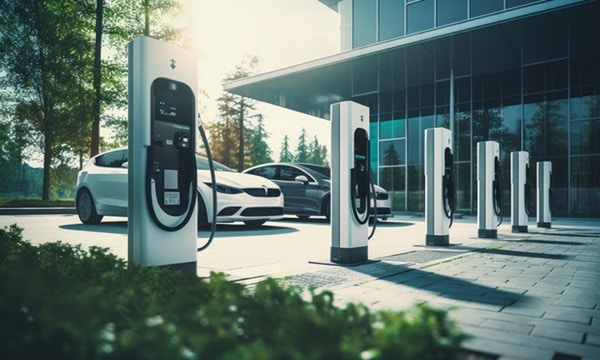
Käufer von Elektrofahrzeugen werden schon bald weniger Wert auf die größtmögliche Reichweite legen, sondern vielmehr darauf, wie reibungslos das Laden im Alltag funktioniert. Features wie beispielsweise das automatische Aufwärmen der Batterie, schnelles Laden und die Navigation der Fahrer zu verfügbaren und funktionierenden Ladestationen werden den Unterschied machen. Mehr Transparenz, eine komfortablere App-Steuerung sowie die nahtloseren Lademöglichkeiten werden bei Kunden zu mehr Vertrauen in Elektrofahrzeuge führen. So werden zum Beispiel klare Informationen über den Zustand der Batterie den Wiederverkaufswert und die breite Akzeptanz fördern.
Elektrofahrzeuge werden zunehmend auch als Energieprodukte verkauft, einschließlich einer Notstromversorgung für zu Hause und intelligenter Ladefunktionen, die die Kosten senken. Möglich wird dies, da die Reichweite der Elektrofahrzeuge für die meisten Fahrer ausreichen wird und sich die Ladenetzwerke und Zahlungssysteme verbessern. Ausgebremst wurde der Fortschritt bis dato, weil es zu wenig Ladesäulen gab sowie die Zuverlässigkeit und die Transparenz hinsichtlich des Batteriezustands zu wünschen übrig ließen.
Trend 5: Intelligente Mobilität fühlt sich endlich vernetzt an
Die intelligente Mobilität wächst. Das liegt daran, dass die Dynamik von der Zusammenarbeit der Dienste ausgeht: Tap-to-Pay über verschiedene Verkehrsmittel hinweg, gemeinsame Anmeldungen, bessere Echtzeitinformationen und einheitlichere, von den Städten festgelegte Servicestandards. Bis dato wurde dies von der Mehrheit nicht angenommen, weil sie sich mehrfach anmelden, mehrere Zahlungsmethoden verwenden und in jedem Bereich unterschiedliche Regeln beachten mussten.
Dieser Wandel findet statt, weil öffentliche Stellen auf reibungslosere, effizientere Verkehrssysteme drängen und Betreiber Wachstum ohne massive Investitionen in die Infrastruktur anstreben. Die Zusammenführung der Dienste stellt dabei eine der effizientesten Möglichkeiten dar, um Erfolge zu erzielen. Da die Betreiber großen Wert auf ihre eigenen Apps und Kundenbeziehungen gelegt haben und Faktoren wie Parkplatzregeln, Datenaustausch und Sicherheitsstandards zu kurz kamen, wurde dieser Wandel bis dato nicht in großem Maßstab umgesetzt.
Trend 6: Zuverlässigkeit und Vertrauen werden wichtiger denn je
Wenn ein Fahrzeug sich selbst aktualisiert und mehr Entscheidungen für den Fahrer trifft, steht Vertrauen über allem. Dieses wird aufs Spiel gesetzt, wenn ein Update dazu führt, dass sich das Fahrzeug anders verhält oder Assistenzfunktionen inkonsistent reagieren.
Vertrauen ist in der Automobilbranche die Währung der Zukunft. Es sind eine klare Kommunikation darüber, was das Fahrzeug kann und was nicht, das sorgfältige Einführen von Updates sowie Erklärungen in einfacher Sprache essenziell. Dies wird im Jahr 2026 umso wichtiger sein, da immer mehr Elektrofahrzeuge auf dem Markt sind, ständig aktualisiert werden müssen und die Kontrolle durch Aufsichtsbehörden, Versicherer, Flottenbetreiber und Kunden zunimmt. Die Branche bewegt sich auf eine Welt zu, in der das Produkt über Jahre hinweg als permanente Dienstleistung verstanden wird. So wird Zuverlässigkeit zur Grundlage für Loyalität.
Fazit: Was dies für das Jahr 2026 bedeutet
Es werden die Unternehmen führend in der Automobilbranche sein, die Fahrzeuge und Dienstleistungen als miteinander verbundenes System begreifen. Das bedeutet, Verbesserungen durch Software zu erzielen, Sicherheit und Leistung über einen längeren Zeitraum hinweg unter Beweis zu stellen und Schwachstellen – insbesondere beim Laden, bei der Transparenz und bei der Benutzerfreundlichkeit – zu beseitigen.
Weiterhin sind angesichts knapper Budgets kontrollierbare Hebel sehr wichtig: strategische Investitionen, Ausbau der Fahrzeug-Software im großen Maßstab sowie operative Grundlagen, die Veränderungen sicher, überprüfbar und verständlich machen.
Letztendlich wird die Zuverlässigkeit zum Unterscheidungsmerkmal. Nicht die PS-Zahl, nicht das Erscheinungsdatum, sondern verantwortungsbewusste Verbesserungen und eine klare Kommunikation werden den Unterschied machen. Vertrauen wird die Währung sein, die Technologie in Akzeptanz und Akzeptanz in Loyalität verwandelt.