

Getting every food order right through smarter warehouse system testing
Overview
One of North America's largest foodservice distributors depends on its warehouse management systems to accurately and on time deliver the right products to the right restaurants, hotels and food operations. When the processes for testing and validating those systems relied on manual effort and error-prone data entry, the risk of defects entering production environments grew with every release cycle. Slow, inconsistent testing meant quality issues took longer to catch and when they reached live operations, they were costly and disruptive to resolve.
The organization partnered with HCLTech to transform its quality assurance approach from the ground up. The objective was to eliminate manual testing, automate test data creation, improve testing accuracy and speed and build a scalable QA foundation that could support the organization's ongoing operational and digital needs.
The transformation delivered a fully automated, end-to-end quality assurance environment for the organization's Blue Yonder warehouse management system, reducing manual effort, improving accuracy and providing a more reliable foundation for every future release.
The Challenge
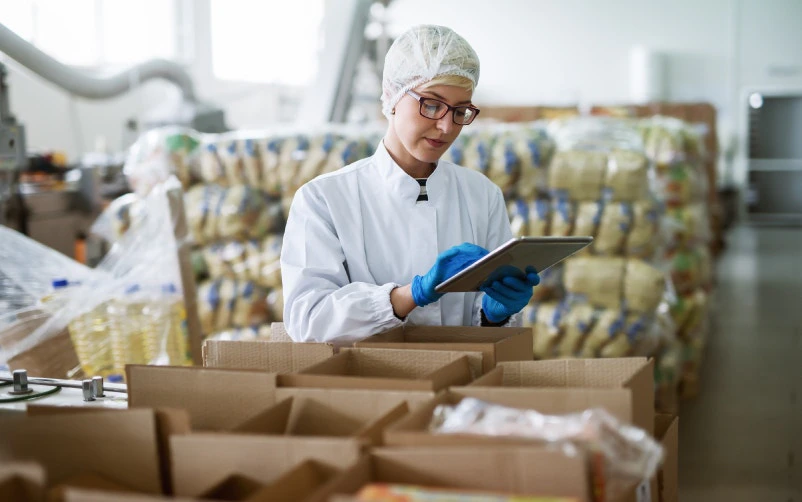
The organization's quality assurance processes relied heavily on manual execution, making testing slow, inconsistent and difficult to scale. Creating test data required manual entry from legacy desktop applications, introducing errors before testing had even begun. Together, these limitations meant the QA process could not provide the level of coverage or consistency needed to reliably catch issues before they reached live production environments.
Without comprehensive, automated test coverage, defects were finding their way into production and creating operational disruptions that were difficult to resolve after the fact. The existing approach also lacked the scalability to keep pace with the organization's growing operational footprint and future digital requirements. The organization needed a faster, more accurate and more reliable QA approach that could reduce the risk of errors affecting day-to-day warehouse operations and grow with the business over time.
The Solution
We transformed the organization's quality assurance environment, replacing manual processes with a fully automated and scalable testing foundation built to support the ongoing reliability of warehouse operations.
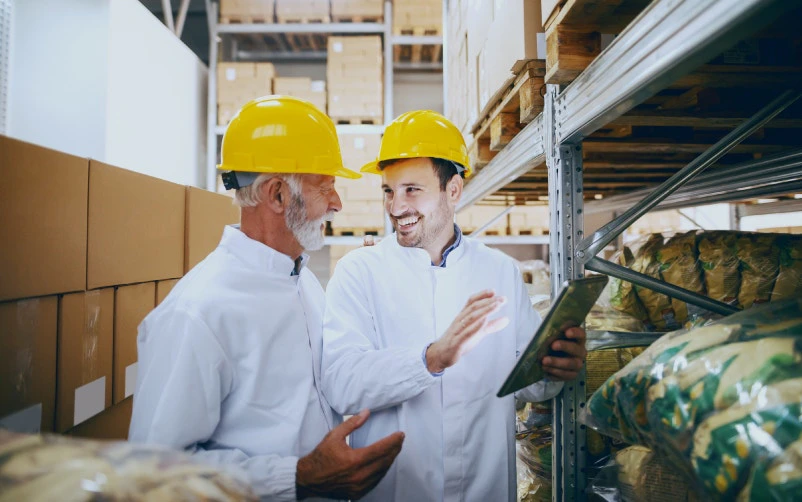
Key capabilities delivered include:
- Consistent, repeatable testing across every critical warehouse system scenario, replacing manual execution with a reliable and automated approach that catches issues before they reach production
- Automated test data creation from legacy desktop systems, eliminating the manual effort and errors that had previously been introduced at the start of every test cycle
- Comprehensive end-to-end test coverage combining data creation and test execution, reducing the risk of defects reaching live production environments
- Reusable test components built for scale, enabling the testing framework to grow alongside the organization's operational needs without requiring significant rework
- Incremental quality improvements delivered at pace, giving teams faster visibility into outcomes and reducing the time between identifying and resolving issues
- A scalable testing foundation built to grow with the organization, ready to support new systems and operational requirements as they emerge

The Impact
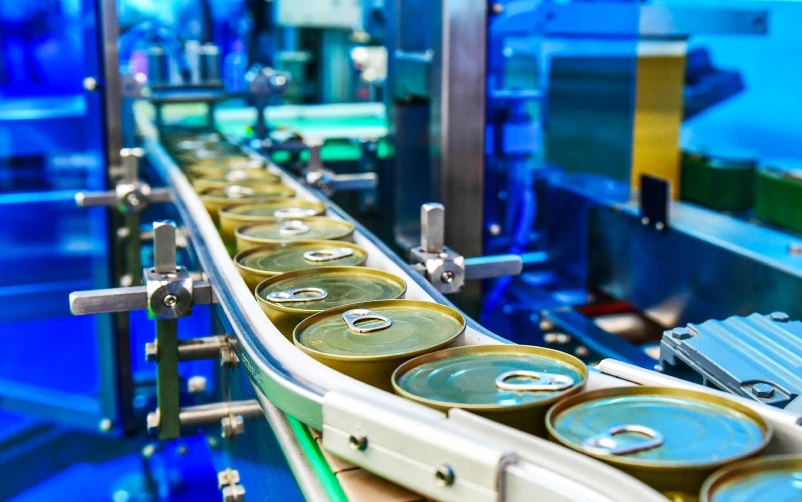
The transformation delivered measurable improvements across testing efficiency, accuracy and operational reliability:
- 90–95% reduction in manual test execution effort
- 10-15% reduction in global inventory costs
- ~ 25% increment in overall stock availability
- Higher test coverage through automated end-to-end flows
Beyond the metrics, the organization now has a scalable automation foundation ready for future operational and digital rollouts, with stronger support readiness for ongoing production releases.
Beyond the Numbers
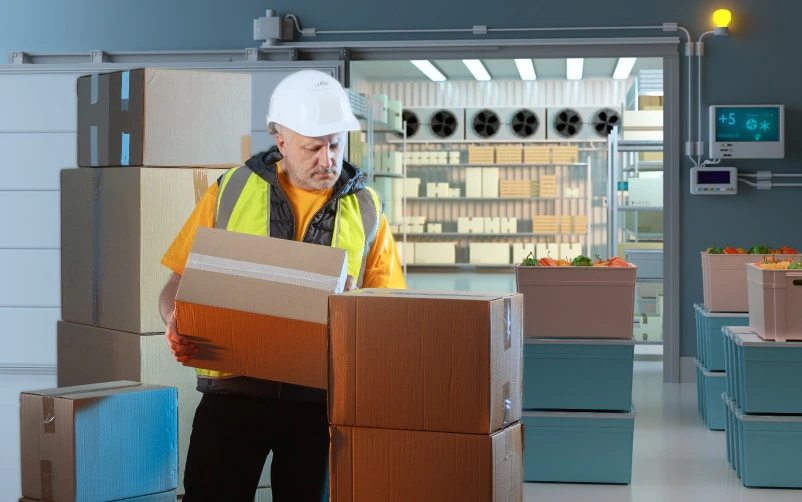
The quality of food service depends on the reliability of the systems behind it. When a foodservice distributor can trust that its warehouse management system has been thoroughly and consistently tested before every release, the downstream effect is fewer errors in orders, fewer disruptions to kitchen operations and more reliable service for the restaurants and food businesses that depend on accurate, on-time delivery. Automating the QA process does not just make testing faster. It makes the entire operation more dependable.
These improvements reflect Total Experience principles, where better systems and more consistent processes create better conditions for employees and the customers they serve simultaneously. For the teams responsible for warehouse system quality, a more reliable and consistent testing process means greater confidence in every release and more time for the work that genuinely requires human judgment. For foodservice operations that depend on accurate deliveries, the result is a warehouse system that has been more rigorously tested and is less likely to introduce errors into their supply chain.
With a scalable and automated QA foundation now in place, the organization is well-positioned to extend its testing capabilities across new systems and operations, supporting continued growth and maintaining the reliability that its customers depend on.
Celebrating Success
This transformation reflects findings from HCLTech's The Blueprint to AI-led Operating Model report, based on insights from 550 senior IT and business decision-makers across the US, Europe and Asia-Pacific. The report highlights that organizations with a product-aligned operating model are more likely to drive greater value from technology investments, with 48% of those with the model strongly agreeing, compared to 37% without. The report also found that 51% of product-aligned organizations are already implementing AI and automation capabilities, compared to only 37% of traditional organizations. This program reflects precisely that shift, moving from a manual, reactive QA process to a fully automated and scalable testing foundation that gets more from every technology investment the organization makes.
The report also highlights that organizations adopting a product-aligned operating model are four times more likely to maximize returns from their technology investments. For a foodservice distributor managing warehouse operations at national scale, a structured and automated approach to quality assurance reduces the cost of defects, improves the reliability of every release and provides a foundation for continued operational improvement.
Verwandte Fallstudien

Helping a leading telecom provider improve service reliability, operating efficiency and readiness for continued transformation
Learn more
Accelerating software delivery, resilience and developer productivity with AI-driven quality engineering.
Learn more
We helped the City of Tacoma modernize their analytics through a large-scale SAP S/4HANA transformation using an AI-enabled automation engine
Read the case study
Reducing investigation time, strengthening test confidence and speeding licensing turnaround across a complex application landscape.
Learn more
Enabling an AI-led engineering model that modernizes software delivery, boosts developer productivity and accelerates innovation
Learn more
We helped BWPC unify procurement on a single SAP Ariba platform streamlining processes and repositioning procurement from a transactional function into a strategic enabler of healthcare delivery.
Learn more