

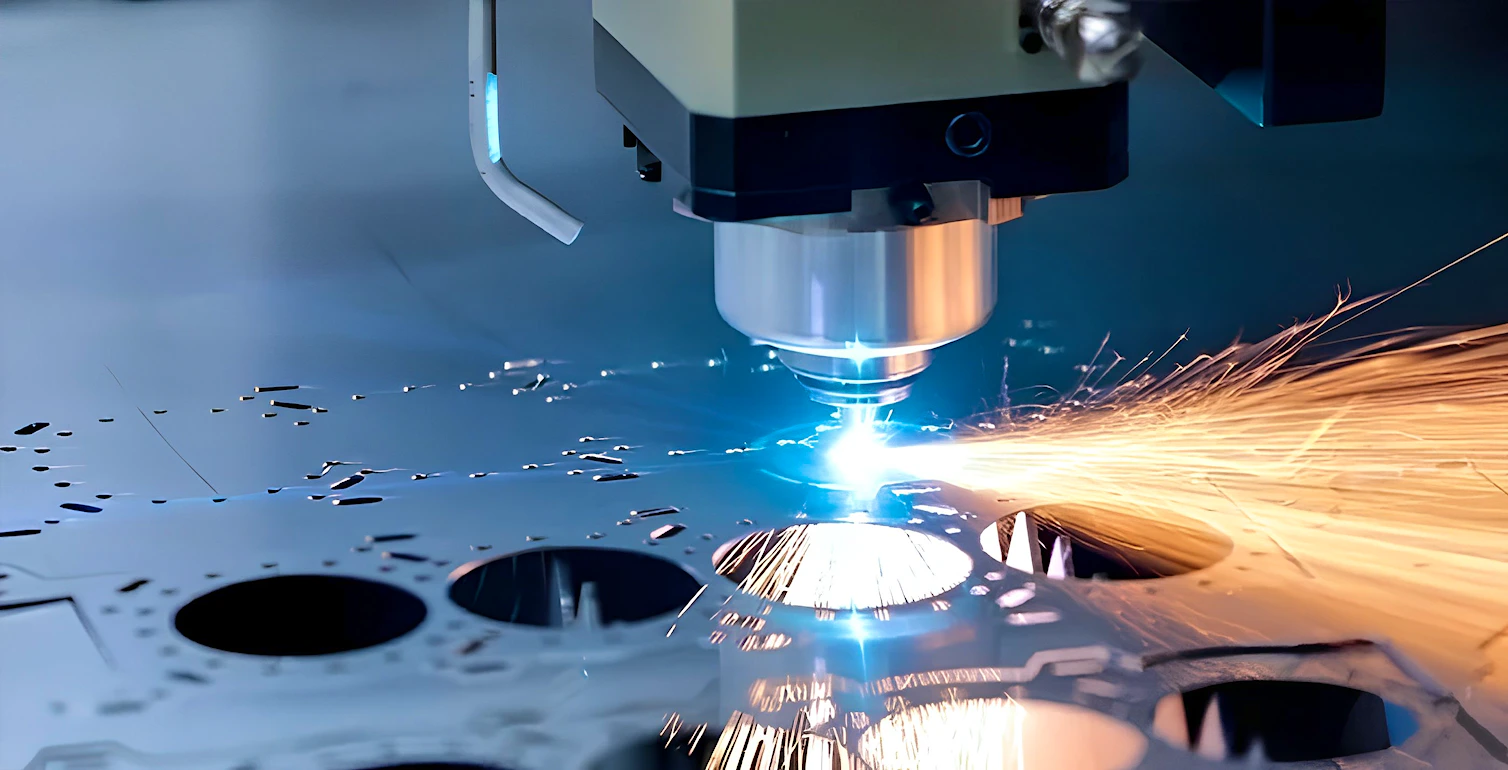
Coming from a manufacturing background, I have closely experienced how the manufacturing industry relies heavily on Operational Technology (OT) or Industrial Control (IC) Systems such as Supervisory Control and Data Acquisition (SCADA) systems, Programmable Logic Controllers (PLCs) and Distributed Control Systems (DCS) in manufacturing plants, to get the job done. However, as the digital revolution sweeps across industries, the manufacturing sector is also experiencing a significant shift and is now more connected. With intelligent factories, IoT devices and interconnected systems, manufacturing processes are more efficient than ever. However, the OT and IC systems were designed differently than modern cybersecurity considerations, making them vulnerable to cyberattacks. This has now become a critical concern for manufacturers across the globe, as they need to operate efficiently and securely.
Notable incidents of cyberattacks on the manufacturing sector
- STUXNET (2010): STUXNET targeted Iran's nuclear facilities and exposed how malware can disrupt industrial control systems (ICS) in the manufacturing and infrastructure sectors.
- Honda (2020): Honda experienced a ransomware attack, likely by the Snake ransomware, causing disruption affecting their production lines and customer service systems, which forced the company to halt production at several plants across the globe
In this blog, we will explore the cybersecurity difficulties the manufacturing sector faces and outline the essential requirements to safeguard this vital sector.
Key cybersecurity challenges in manufacturing
- Operational Technology (OT) vulnerabilities: OT systems are older and less secure than advanced IT systems, making it easier for cybercriminals to identify and exploit their inherent vulnerabilities. Unlike IT systems, where data breaches are the primary concern, compromised OT systems can lead to physical damage, safety hazards and costly downtime.
- Industrial Internet of Things (IIoT) security: The threat landscape has swelled with the heightened adoption of IoT devices in the manufacturing sector. Systems that control intelligent machinery, track supply and optimize production can become susceptible to cyberattacks if not adequately protected. IIoT devices can be effortlessly exploited without sufficient encryption, authentication, and monitoring processes.
- Supply chain risks: Manufacturing companies depend heavily on third-party vendors to procure components, raw materials, and services. If one vendor encounters a breach, it can compromise the security of the entire supply chain. Cybercriminals can leverage these relationships to penetrate a manufacturer's internal network, which makes supply chain security an essential consideration for manufacturers.
- Intellectual property theft: The manufacturing sector has abundant invaluable intellectual property (IP), including trade secrets, blueprints, patents, etc. Cyber attackers may target manufacturers to steal sensitive information and sell it to their competitors to gain a competitive advantage. Safeguarding IP is vital, especially for aerospace, automotive and defense industries.
Essential cybersecurity requirements for the manufacturing sector
The first and most crucial step in managing cybersecurity requirements is to perform a risk assessment to identify and understand the inherent risks. Once the risks are identified, the next step is to implement tailored controls to manage them. Controls are to be selected in a manner that follows a defense-in-depth approach, combining a mix of technological, physical and administrative controls.
- Risk identification: Identify critical assets that are vital to your operations e.g. Industrial Control Systems (ICS), SCADA systems, IoT devices and threats associated with these systems.
- Risk assessment: Assess the likelihood and impact of the identified threats and calculate the risk value. Evaluate risks to see if they fall within the risk appetite and mitigate all above-acceptable levels.
- Risk mitigation: Apply Technological (access control, authentication, patch management), Physical (Air-gap network, restricted physical access) and Administrative (training, NDA) controls to reduce risk.
- Monitoring and review: Regularly review and update policies/procedures and controls as new threats emerge and business operations evolve.
Compliance and standards applicable to the manufacturing sector
To enhance cybersecurity in the manufacturing sector, organizations can adhere to standards such as:
- NIST Cybersecurity Framework (CSF): NIST's CSF offers guidelines for identifying, protecting, detecting and responding to cyber threats in critical infrastructure sectors, including manufacturing.
- IEC 62443 is an international standard that provides guidelines for securing Industrial Control (IC) and Operational Technology (OT) systems.
- ISO/IEC 27001: Provides a framework for managing information security risks, ensuring the protection of intellectual property and securing company data.
Conclusion
In today's time, cybersecurity has become an essential pillar for the success of any industry, including the manufacturing sector. As digitalization continues to blur the lines between the physical and digital worlds, manufacturers must adopt robust cybersecurity practices to protect their machinery, operations, intellectual property and supply chains. By implementing strong cybersecurity measures, adhering to industry standards and fostering a culture of security awareness, manufacturers can safeguard their businesses against evolving cyber threats and ensure a sustainable and secure world.

