


Generative AI (GenAI) is reshaping pharmacovigilance operations through Smart Narrative Generation. This end-to-end solution automates ICSR narrative authoring, one of the most complex and time-consuming activities in adverse event reporting. Integrating document intelligence, evidence-grounded narrative generation and automated quality assessment into a single auditable workflow enhances efficiency, consistency and compliance while keeping humans in the loop.
Key challenges with case narrative writing
Pharmacovigilance teams face four recurring challenges when producing case narratives:
- Manual, repetitive drafting: Safety writers re-read lengthy Case Report Forms (CRFs) and source documents to identify every reportable fact, then hand-compose narrative prose section by section, for both initial cases and every follow-up
- Inconsistent structure and chronology: Narrative quality and event chronology vary writer to writer, complicating quality review and health-authority submission readiness
- Lack of traceability to source: Reviewers cannot easily see which sentence came from which page or field of the source document, making omissions hard to catch before sign-off
- No structured way to surface clinical insights: Teams need a quick way to spot clinically relevant patterns without re-reading the entire case file and no easy way to query the case afterward
Smart Narrative Generation addresses these challenges with an evidence-grounded narrative generation suite that keeps a human checkpoint at every stage.
Process flow
Smart Narrative Generation takes a case from a raw source document to a reviewed, submission-ready narrative through an 11-step guided flow:
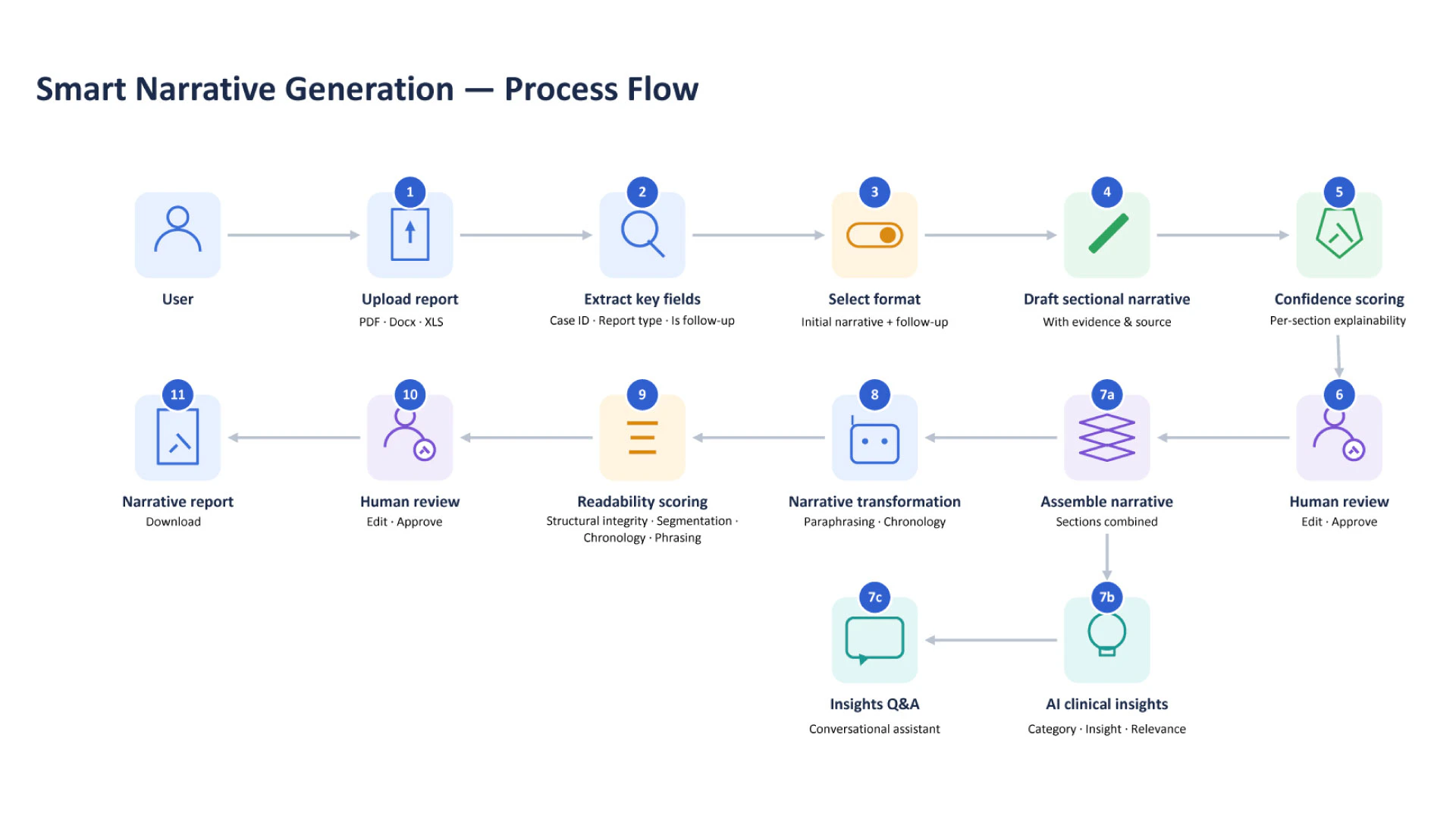
Figure 1: Smart Narrative Generation Process Flow
- Upload report: The user uploads the source case document (PDF, DOCX or XLS), an initial CRF or a follow-up report
- Extract key fields: The system identifies the Case ID and report type and checks whether the document is a follow-up to an existing case
- Select format: The reviewer chooses how the narrative should be generated: a new initial narrative, an initial report with an expected follow-up or a follow-up added to an existing narrative
- Draft sectional narrative: AI Narrative Agent drafts the narrative section by section, covering patient details, medical history, the suspect drug, adverse events, test results, treatment and outcome, with every section backed by evidence from the source document
- Confidence scoring: Each section is checked for completeness against the facts it should contain, flagging anything present, missing or not mentioned in the source
- Assemble narrative: Approved sections are combined into one continuous narrative and saved to the case record
- Human review: The reviewer checks each section against its supporting evidence and confidence scores
- AI clinical insights: The system reviews the assembled narrative and highlights relevant clinical observations, ranked by importance
- Insights Q&A: A built-in assistant lets the reviewer ask follow-up questions directly about the narrative and its evidence
- Readability scoring: The narrative is checked for structure, paragraph flow, chronological order and phrasing, with sections automatically rewritten if they fall short
- Narrative transformation and final review: The narrative is rephrased and put into chronological order as polished, submission-ready prose, then given one final human read-through and approval before release
Solution components
Smart Narrative Generation is built on four core components that work together to turn a source case document into a reviewed, evidence-grounded narrative. Below are the four pillars of the solution:
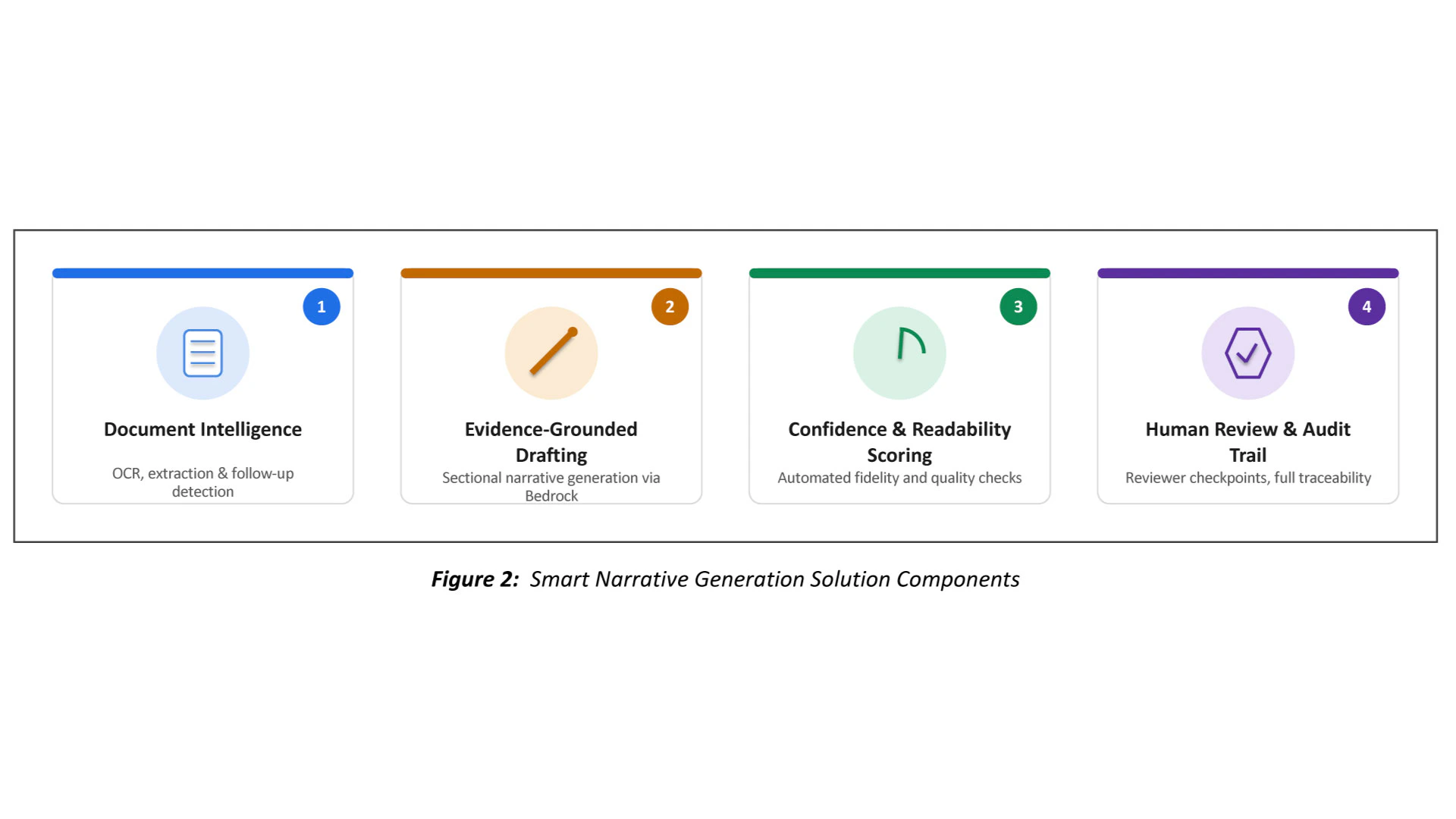
Figure 2: Smart Narrative Generation solution components
- Document intelligence: Reads and extracts text from any uploaded CRF or follow-up report, using OCR to handle scanned or form-like pages and automatically detects when a document is a follow-up case
- Evidence-grounded drafting: Drafts each narrative section using AI, with every fact traceable back to its source of evidence
- Confidence and readability scoring: Automatically checks every section for factual completeness and scores the assembled narrative for structure, chronology and phrasing
- Human review and audit trail: Keeps a reviewer checkpoint at every stage, with every edit and approval logged for full traceability
Technical architecture
Smart Narrative Generation uses AWS cloud services and GenAI technology end-to-end. The diagram below shows its technical architecture:
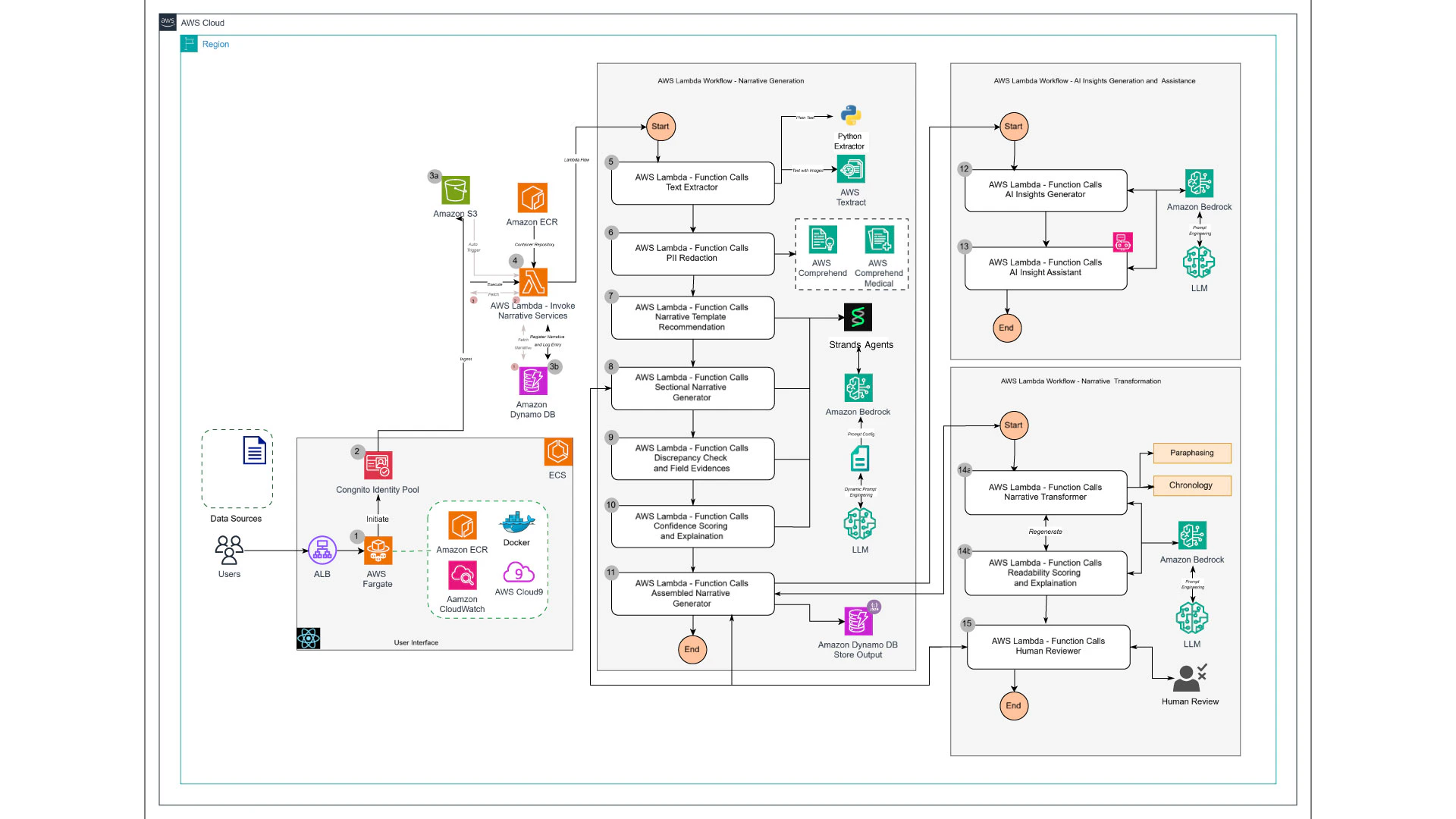
Figure 3: Smart Narrative Generation technical architecture
- Ingestion: Users upload source documents (PDF, DOCX, XLS) to cloud storage (Amazon S3), which automatically triggers the narrative pipeline
- Text extraction: Pages of plain text are extracted directly through a fast local parser, while pages containing images, scanned content or forms are routed through OCR (Amazon Textract) and passed through an automatic verification step
- PII/PHI redaction: Reporter-identifying details are stripped from the source of text using AWS's medical and general-purpose text analysis services (Amazon Comprehend Medical and Amazon Comprehend), before the content ever reaches the AI model
- Sectional narrative generation: The AI model drafts each narrative section in parallel, guided by section-specific instructions and grounded in cited evidence
- Confidence scoring: A dedicated AI check (LLM-as-a-judge) scores every generated section against its required-facts checklist, classifying each fact as present, missing or not found in the source
- Assembly and storage: Approved sections are merged into the full narrative and saved to the case database (Amazon DynamoDB), with a complete version of history for audit purposes
- AI insights and assistance: The system generates categorized clinical insights from the assembled narrative and answers reviewer questions about the case
- Narrative transformation and readability check: The narrative is scored for structure, paragraph flow, chronological order, readability and phrasing, with any section that falls short automatically rewritten, then paraphrased and reordered into natural, submission-ready prose before handing off to the human reviewer
This cloud-based, serverless architecture provides scalability, strong data protection through PII/PHI redaction ahead of every AI model call and full explainability through evidence-linked confidence scoring, readability scoring and an end-to-end audit trail.
Benefits
- Faster case turnaround: Automates the first draft of every section, so safety writers spend their time reviewing rather than transcribing source documents
- Consistent, submission-ready narratives: Standardized section structure, chronology and phrasing across every case and every writer
- Evidence-linked transparency: Every sentence traces back to its supporting evidence, with an explainable confidence score for what might be missing
- Built-in quality gates: Automated readability and confidence scoring catch structural, phrasing and factual issues before a human ever signs off
- Full auditability: Every edit, approval and regeneration is versioned and logged end to end
- Clinical insight surfacing: Categorized, relevance-ranked AI insights and a case-specific Q&A assistant help reviewers spot important patterns quickly
Conclusion
Smart Narrative Generation addresses critical pharmacovigilance challenges like manual drafting delays and inconsistent case narratives by:
- Transforming manual narrative writing into an AI-assisted, evidence-grounded process
- Leveraging AWS serverless architecture for enterprise-grade scalability
- Providing PII/PHI redaction and end-to-end audit trails for data security and compliance
- Enabling consistent, submission-ready narratives across every writer and every case
- Preserving full traceability from source evidence to final narrative for future reference
This solution helps pharmacovigilance teams achieve faster case turnaround, consistent regulatory-grade narratives and stronger audit readiness across their safety operations.
Call to action
Is your organization ready to accelerate pharmacovigilance case processing with GenAI? Smart Narrative Generation can transform how your safety team drafts, reviews and approves case narratives, without compromising traceability or human oversight.
See the power of Smart Narrative Generation firsthand:
- Request a personalized demo
- Explore how Smart Narrative Generation can address your specific case-processing challenges
- Learn about seamless integration with your existing safety database
Don't let manual narrative writing slow down your case turnaround. Take the first step towards AI-assisted pharmacovigilance today.
Contact us for a demo: Email: AWSEcosystemBU@hcltech.com
Transform your case narrative workflow with Smart Narrative Generation, where AI meets pharmacovigilance expertise.


