
ブログ

Subhashree Mahimaa: #SheTheFuture
Inspiring stories of our youngest and brightest sparks, representing the next generation of women in tech.
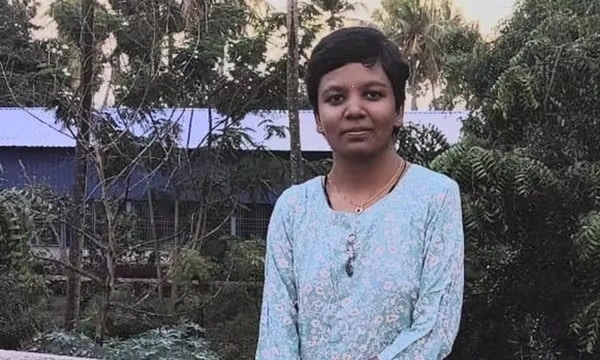
Meet Harishma Devi: #SheTheFuture
Inspiring stories of our youngest and brightest sparks, representing the next generation of women in tech.

Meet Kandakatla Kalyani: #SheTheFuture
Inspiring stories of our youngest and brightest sparks, representing the next generation of women in tech.

Meet Garima Jha: #SheTheFuture
Inspiring stories of our youngest and brightest sparks, representing the next generation of women in tech.

Meet Ananya Gupta: #SheTheFuture
Inspiring stories of our youngest and brightest sparks, representing the next generation of women in tech.

Meet Anamika Shukla: #SheTheFuture
Inspiring stories of our youngest and brightest sparks, representing the next generation of women in tech.

Meet Aishwarya J: #SheTheFuture
Inspiring stories of our youngest and brightest sparks, representing the next generation of women in tech.

Meet Asia Mosley: #SheTheFuture
Inspiring stories of our youngest and brightest sparks, representing the next generation of women in tech.

Meet Alaina Fletcher: #SheTheFuture
Inspiring stories of our youngest and brightest sparks, representing the next generation of women in tech.

Meet Astrid Lainez: #SheTheFuture
Inspiring stories of our youngest and brightest sparks, representing the next generation of women in tech.


How a holistic approach to integrating Microsoft AI technologies embeds agility to deliver organization-wide value at scale while helping mitigate data bias.
