


ソフトウェア定義車両(SDV):OEMおよびTier 1 サプライヤーに求められる戦略的転換
自動車業界は現在、ハードウェア主導のエンジニアリングから、ソフトウェアを中核とするインテリジェントなモビリティプラットフォームへと大きく転換しています。顧客の期待が変化し、車両がデジタルライフスタイルの延長として位置付けられるようになる中、ソフトウェア定義型車両(SDV)は急速に新たな業界標準として台頭しています。
SDVへの移行には、新たな能力、新たなパートナーシップ、そして従来とは根本的に異なる発想が求められます。この変革を成功させた企業は、より迅速なイノベーションの実現、新たな収益機会の創出、そして車両ライフサイクル全体にわたる顧客エンゲージメントの強化を実現できるようになります。
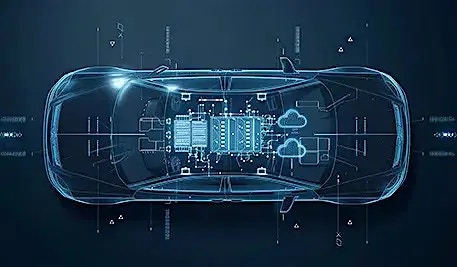
戦略的インサイト
ソフトウェアはもはや補助的な機能ではなく、イノベーション、安全性、そして価値を生み出す主要な原動力となっています。
データポイント
2030年までに、成熟市場で販売される車両の50%以上がソフトウェア定義型となる見込みです。
ソフトウェア定義車両の成熟度の進化
SDVへの移行は、一度の変革ではなく、顧客体験・適応力・ビジネス価値を高めながら段階的に進化するプロセスです。
最終目標は明確ですが、その実現には技術の導入だけでなく、車両の設計・開発・運用のあり方を根本から変革することが求められます。

ソフトウェア対応
ソフトウェアによって実現される機械的機能
- アップデートなし
- 接続機能なし
- 駐車支援
- アダプティブ・クルーズ・コントロール

コネクテッド
コネクティビティを通じた情報提供と制御
- 静的ソフトウェア
- 動的な環境
- リアルタイムの交通情報
- モバイルコンパニオンアプリ

更新可能
OTA更新による車両メンテナンス
- 静的機能
- 動的ソフトウェア
- ナビゲーションの更新
- セキュリティパッチ

アップグレード可能
ソフトウェアアップグレードによる新機能
- 固定ターゲットハードウェア
- 動的な機能
- 単一車種ラインにおける新機能

ソフトウェアプラットフォーム
世代を超えたソフトウェア更新により、常に新車のような感覚を維持
- 単一のソフトウェアプロバイダー
- 動的なターゲットハードウェア
- すべての世代の車両に新機能が提供される

イノベーション・プラットフォーム
サードパーティ機能のエコシステムを通じた完全なカスタマイズ
- 多様なソフトウェアプロバイダー
- マルチブランド車両群において新たに開発されたサードパーティ機能
出典:Elektrobit
SDVへの移行を支える6つの重要な要素
SDVの成熟度向上には、OEMおよびTier1サプライヤーによる6つの重要な変革領域への取り組みが不可欠です。これらの領域は技術だけでなく、組織横断の連携、変革への備え、そしてプラットフォーム志向のアプローチを必要とします。この6つの要素はSDVへの移行を支える基盤であり、OEMが断片的で受動的な運営モデルから、ソフトウェアを中核とする先進的でプロアクティブなエコシステムへと進化するための指針となります。
01
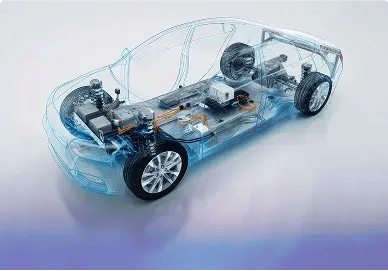
変革に向けたアーキテクチャの構築
硬直的なECUから脱却し、柔軟なコンピューティングゾーンを取り入れましょう。システムの複雑さを「俊敏性」として再定義します。オーケストレーションを簡素化し、コストを削減し、OTAの速度を加速させるゾーン型コンピューティングスタックへと移行します。
02

レガシーを活かしながら前進する
レガシーを置き換えるのではなく、内部から進化させる。仮想化技術を活用して既存システムを戦略的に統合し、全面刷新のリスクを回避。安定した運用を維持しながら、SDVへの移行を段階的に推進します。
03

アップデートを超えた価値を顧客体験をドライブする
OTAは、単なるソフトウェア更新ではなく顧客エンゲージメントの基盤です。安全かつ統合的なOTAプラットフォームにより、法規対応や機能追加をシームレスに実現。販売後も継続的な価値を提供し、一台ごとの利用価値を新たな収益へとつなげます。
04

データから価値を創出
車両群から得られるすべてのデータは戦略的資産です。エッジからクラウドまでのインテリジェンスを活用して、予知保全、スマート充電、モビリティに関するインサイトを促進し、そのインサイトを継続的な収益源へと転換しましょう。
05

実走行前にテストを実施
迅速に動き、安全に失敗する――仮想環境で。デジタルツインとCI/CDを検証体制に統合しましょう。プロトタイプへの依存を大幅に削減し、信頼性を確保しつつソフトウェアのリリースを加速させます。
06

あらゆるレイヤーを、常に保護する
リアルタイムの脅威には、リアルタイムの防御が必要です。車両、API、クラウド全体にTARAベースのセキュリティを実装し、脅威を即座に検知。コンプライアンス対応と高いレジリエンスを実現し、持続的な信頼を支えます。

戦略的展望
堅牢で俊敏かつ安全なSDVプラットフォームに今投資する企業が、インテリジェントで適応性の高いモビリティの時代をリードすることになるでしょう。
今後の展望SDVロードマップと戦略的展望
SDVは単なる未来のビジョンではなく、すでに現実のものとなっています。SDVへの道のりは直線的ではありません。レガシーシステムの制約と将来を見据えたケイパビリティとのバランスを取りながら、アーキテクチャや検証から収益化、コンプライアンスに至るまで、変革の主要な要素において段階的に成熟させていく必要があります。 今、堅牢で、俊敏かつ安全なSDVプラットフォームの構築に投資する企業こそが、インテリジェントで適応性の高いモビリティの時代をリードする最良の立場に立つことになるでしょう。

ソフトウェア定義の未来を築く:テクノロジー・サービスプロバイダーの役割
OEM各社が「ソフトウェア定義車両(SDV)」への複雑な移行を進める中、テクノロジーサービスプロバイダーの役割は、エンジニアリング支援パートナーから、エンドツーエンドの変革を推進する存在へと進化しています。 SDVへの道のりには、組み込みシステム、クラウドネイティブアーキテクチャ、デジタルプラットフォーム、アジャイルな運用モデルにまたがるケイパビリティが求められます。これらは、グローバルなテクノロジーサービスプロバイダーが独自の強みを活かして大きな成果を挙げられる分野です。
 アーキテクチャのモダナイゼーション
 仮想検証および
 CI/CD統合
 レガシーからSDVへの
 移行支援
 データ戦略および収益化の推進
 OTA導入の
 OTA導入準備
 エンド・トゥ・エンド
 サイバーセキュリティ支援
HCLTechのニュースレターを購読する
最新のニュースやインサイトについては