
Featured

Women leading the way: Highlights from HCLTech’s #ShePowersProgress event
Celebrating women in technology, leadership and sports at HCLTech’s Amsterdam office, with insights on GenAI, mental health and the importance of DEI in the workplace
Top stories
All content

With record-breaking heatwaves and unprecedented flooding, it’s time to turn to technology to mitigate the impact of these natural threats
Learn more
IT ecosystem collaboration has the ability to create value and drive innovation for an organization, while also generating new revenue streams
Learn more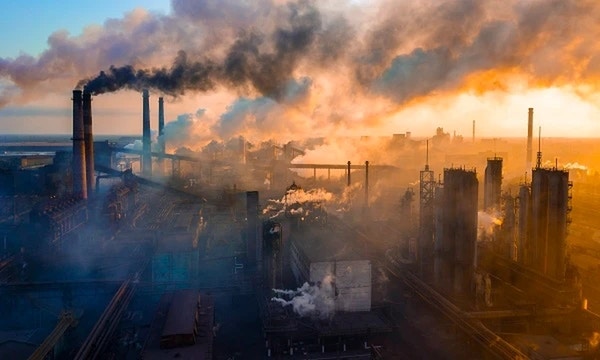
Sustainability matters when emission levels need to be addressed. Following industry best practices can make the difference
Learn more
To accelerate the move toward a circular economy, organizations must embrace a range of technologies
Learn more
Santhosh Jayaram, Global Head of Sustainability at HCLTech, explores the importance of tech in eliminating greenwashing
Learn more
In the third episode of our podcast series, Graham Saunders, SAP Global Offerings Lead, and Colin Breakwell, Global SAP Product Development Lead, HCLTech explore the business impacts of new consumer
Listen Now
A non-profit special interest group is establishing an ISAC to share information and analysis on food delivery and the agriculture supply chain
Learn more
Tapping into generational knowledge and expertise is crucial to cultivate collaboration and inclusivity
Learn more
Looking at the current environmental issues, this podcast explores how technology can be used as a force for good in addressing environmental challenges. During the discussion, Aoife Walsh
Listen Now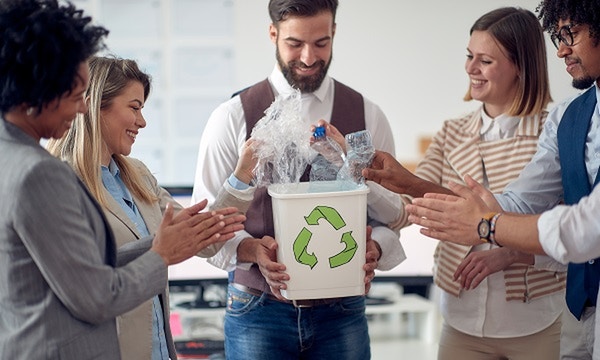
The theme of World Environment Day 2023 is #BeatPlasticPollution
Learn more
This secured and transparent technology can disrupt various industries, while reducing carbon footprints and adding to green initiatives
Learn more
Strategic decisions on the right technology adoption play a pivotal role in addressing the buying behaviors of consumers
Learn moreTrending questions
持続可能性とは、生態系のバランスを保つために天然資源の枯渇を避けることと定義される。持続可能性の目標を達成するために、企業は革新性、起業家精神、人間性、そして人間中心の文化という価値に焦点を当てるべきである。
企業は、製造から顧客とのフロントエンドに至るまで、サプライチェーン全体で持続可能である責任を負っている。これは、従業員、顧客、サプライヤーを含むすべてのステークホルダーからの期待である。さらに、持続可能性はビジネスの成果を促進する重要なツールとしても機能する。マッキンゼーによると、33%の企業が、経営効率の向上とコスト削減のためにサステナビリティ戦略を取り入れている。
ESGサステナビリティとは、環境、社会、ガバナンスを意味する。これら3つの中核的側面は、あらゆるサステナビリティ戦略に組み込まれるべきである。環境面では、環境効率の向上と気候変動による影響の軽減に重点を置く。社会性は、多様性、公平性、包括性(DEI)、現地採用、企業市民活動への投資に焦点を当てる。そしてガバナンスは、持続可能な調達、強力なガバナンスと倫理の枠組み、総合的なITセキュリティとデータ保護戦略に重点を置く。
持続可能性が重要なのは、それがより良い未来への鍵だからです。持続可能性は、人々の生活の質を向上させ、地球のすべての生態系を保護し、天然資源を将来の世代に確実に供給することに役立つ。持続可能な慣行が大規模に採用されなければ、気候変動は不可逆的な損害をもたらし、地球の環境的健全性は損なわれ、人類は生活の質を維持できなくなり、自然の生息地や生物種全体が失われることになる。
企業は、可能な限り責任ある持続可能な方法で行動し、あらゆる資源が価値を最大化するために効率的に使用されるようにすることで、より持続可能性を高めることができる。さらに、持続可能な未来のために、顧客や地域社会、あらゆるステークホルダーと協力することで、企業はより持続可能な存在となることができる。今後、企業はあらゆる取り組みや活動を通じて、持続可能なインパクトを生み出すことに注力しなければならない。
クリーンテックまたはクリーン・テクノロジーとは、コスト、投入資源、エネルギー消費、廃棄物、環境への影響を削減しながら、業務遂行能力、生産性、効率を高める製品、サービス、技術を指す。クリーンテックは、再生可能エネルギー、グリーン輸送、エネルギー効率化技術、持続可能な水・廃棄物管理など、さまざまな分野に関連している。
Subscribe to the HCLTech Newsletter
for our latest news and insights