
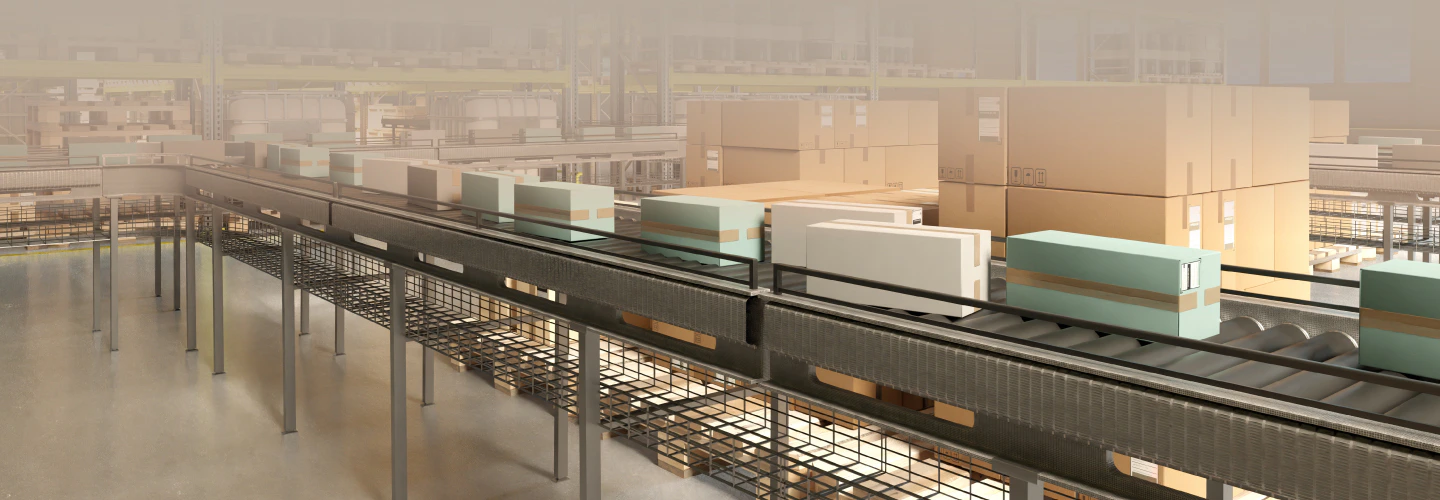
Faster restocks and fewer disruptions across a national distribution network
Overview
A world-leading FMCG company operated its North American distribution network on older, fragmented versions of its warehouse management system. Performance bottlenecks, outdated interfaces and limited functionality had reached a point where the platform could no longer support the operational demands of a business at this scale. These limitations were compounded by the degradation of historical transaction data, leaving teams without reliable access to the records they needed for accurate reporting and decision-making.
The organization partnered with HCLTech to establish a unified, modern warehouse management foundation across all its North American distribution centers. The objective was to migrate every site to the current platform version, restore historical data integrity, reduce the cost and complexity of the transition and give every site a clean and disruption-free go-live.
Built on our Blue Yonder capabilities, this program delivered a defect-free, faster and more cost-efficient migration across a complex multi-site network.
The Challenge
The organization's distribution centers ran on older, fragmented versions of its warehouse management platform, each with varying degrees of customization and regional configuration differences. Performance limitations and outdated interfaces were constraining operational efficiency, while certain functionalities the business relied on had become difficult to maintain or extend. The complexity and variation across sites made a standard migration approach impractical, with the risk of errors, inconsistencies and failed deployments across geographies too high to accept.
Historical transaction data had also degraded over time, leaving teams unable to access records they relied on for reporting and compliance. Addressing both challenges simultaneously, restoring data integrity while managing a complex multi-site migration, required a level of structure and precision that conventional upgrade programs could not reliably deliver. The organization needed an approach that could handle site-specific complexity at scale, integrate cleanly with existing technology standards and complete every go-live without the cost and time burden of a traditional upgrade.

The Solution
We redesigned the organization's warehouse management environment across all its North American distribution centers, building a consistent and modern foundation that every site could rely on for day-to-day operations.
Key capabilities delivered include:
- A structured, repeatable migration approach that handled site-specific complexity and regional configuration variations at scale, supporting consistent and reliable deployment across every location
- Restoration of historical transaction data and lost traceability, giving teams reliable access to the records they needed for reporting and operational decision-making
- Targeted updates to existing configurations, modernizing the functionality that mattered while removing processes that no longer served the business
- A simplified and cleaner operational environment, with outdated processes retired and remaining configurations structured for easier long-term management
- Integration with the organization's internal technology standards across all geographies, supporting error-free deployment and reducing the risk of downstream disruption
- A foundation that makes future platform upgrades faster, less complex and lower risk for the organization

The Impact
The program delivered measurable improvements across migration speed, cost efficiency and operational reliability:
- 50% faster deployment timelines compared to traditional migration methods
- 45% cost efficiency improvement over traditional upgrade approaches
- 100% defect-free go-live across all North American distribution centers
- Improved reporting accuracy and historical data access across the network
- Future platform upgrades made faster and lower risk through a structured and reusable migration foundation
Beyond the metrics, every distribution center transitioned to a modern, capable platform without disruption to operations.

Beyond the Numbers
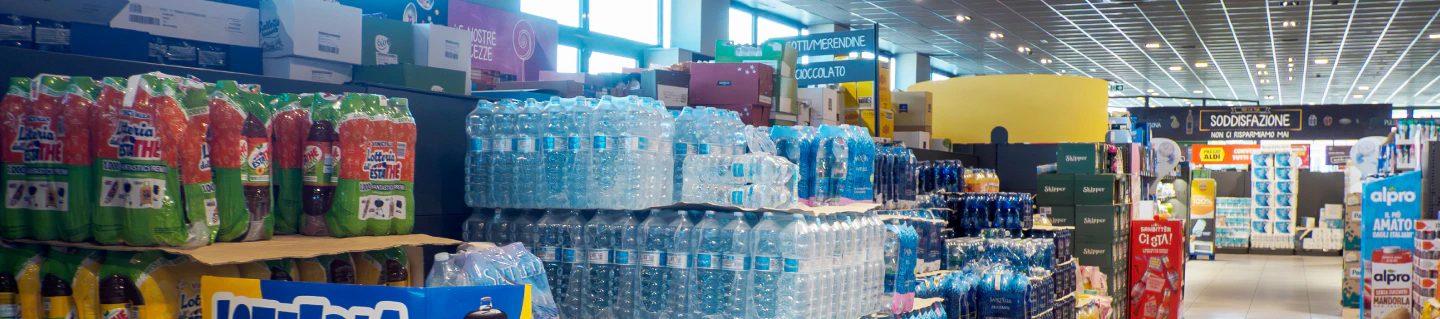
When a business of this scale moves its entire distribution network to a new platform without a single defect, it reflects something more than technical competence. It reflects a migration approach designed around the realities of the business, its complexity, its regional variations and the operational continuity it could not afford to compromise. For a company whose distribution network underpins product availability in stores and households across North America, getting this right was not optional.
These improvements reflect Total Experience principles, where well-planned operational transformation creates better conditions for teams and the customers they serve simultaneously. For the teams working in these distribution centers, a modernized and consistent platform means fewer workarounds, more reliable systems and better access to the data they need to make decisions. For retailers and consumers downstream, the result is a distribution network that operates more efficiently and reliably.
With a modern foundation now in place across its North American network, the organization is well-positioned to keep its distribution operations running at the pace and reliability that a global consumer goods business demands, while building the capability to respond faster to new operational challenges as they arise.
Celebrating Success
This transformation reflects findings from HCLTech's The Blueprint to AI-led Operating Model report, based on insights from 550 senior IT and business decision-makers across the US, Europe and Asia-Pacific. The report highlights that over half (52%) of manufacturing organizations lack a culture for tracking and assessing engineering value, while only 28% of manufacturing leaders strongly agree their organization understands the importance of measuring value flow. This program directly addressed that gap, restoring lost data traceability, improving reporting accuracy and giving teams across every North American distribution center the reliable information they needed to make confident operational decisions.
The report also highlights that organizations adopting a product-aligned operating model are four times more likely to maximize returns from their technology investments. For an FMCG company managing distribution complexity across multiple North American locations, a structured migration approach that delivers consistent results across every site provides the foundation for sustained operational performance and a platform ready to grow with the business.
Related Case Studies

Helping a leading telecom provider improve service reliability, operating efficiency and readiness for continued transformation
Learn more
Accelerating software delivery, resilience and developer productivity with AI-driven quality engineering.
Learn more
We helped the City of Tacoma modernize their analytics through a large-scale SAP S/4HANA transformation using an AI-enabled automation engine
Read the case study
Reducing investigation time, strengthening test confidence and speeding licensing turnaround across a complex application landscape.
Learn more
Enabling an AI-led engineering model that modernizes software delivery, boosts developer productivity and accelerates innovation
Learn more
We helped BWPC unify procurement on a single SAP Ariba platform streamlining processes and repositioning procurement from a transactional function into a strategic enabler of healthcare delivery.
Learn more