
Featured

Why Verizon Business is betting on AI and cloud as the future of telecom
Chau Dang, VP of Operations, Governance and Strategy at Verizon Business, discusses how AI and cloud infrastructure are pivotal in transforming telecom and meeting evolving customer expectations
Top stories
All content

5G adoption will improve connectivity for enterprises and create new value in an increasingly digital world
Learn more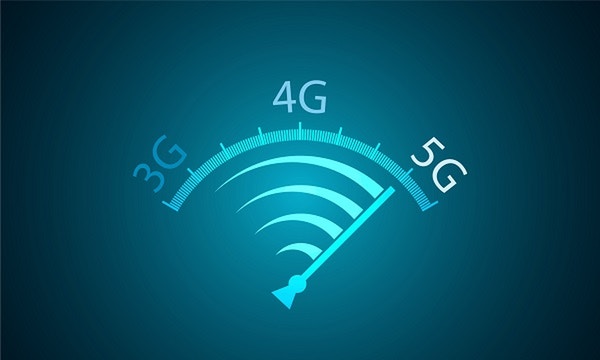
Rigorous testing and validation are key for 5G success. Here’s a closer look at how to test the next-generation infrastructure
Learn more
Rajesh Natarajan, CTO - Hyperscaler, System Integrator and SaaS at AT&T and Puneet Kumar, VP, Telecom, Media and Entertainment at HCLTech discussed the main trends shaping the future of 5G technology
Learn more
A recent report estimated that India is poised to play an important role in 5G, with private deployment networks likely to accelerate between 2025-2028
Learn more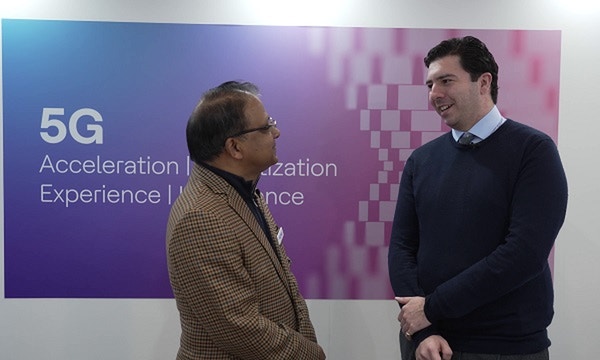
The evolution of the network and the move to 5G will not happen overnight. It’s a journey that will have transformational outcomes
Learn more
With 5G a reality, telecom is now focused on deploying solutions to drive transformation
Watch now
At the first full-scale MWC since COVID-19, digital resilience is top of mind
Watch now
In conversation with Priyadarshi A. Das (Pad), EVP & Business Head – TME, HCLTech
Watch now
HCLTech’s CTO, Kalyan Kumar, shares his thoughts on the 5G priorities for the attendees at MWC 2023
Learn more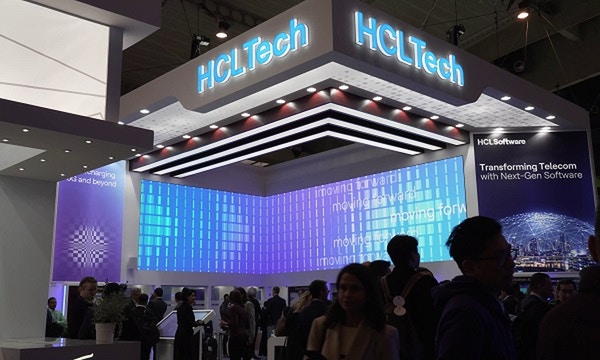
With 5G no longer a concept, the telecommunication industry is focused on how to effectively deploy 5G solutions and services to drive transformation
Learn more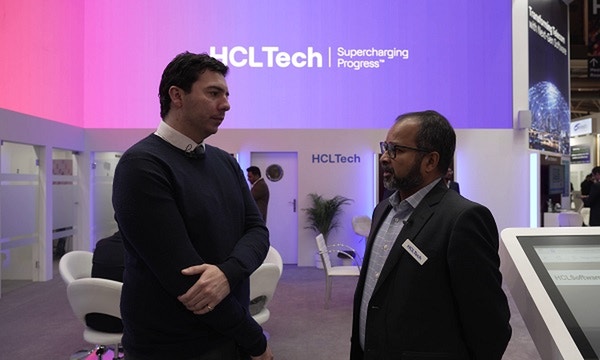
In the first full scale MWC since COVID-19, ensuring digital resilience to navigate business disruption is the topic on everyone’s minds
Learn moreTrending questions
5G is a mobile communications standard, which allows wireless internet access and connectivity at much faster speeds. 5G will play a crucial role in the entire value chain of industry transformation.
5G and other wireless communications systems use radio frequencies to carry data from one device to another. To achieve better connectivity, 5G operates on high radio frequencies, which allows for more data to be carried at a faster rate. To ensure these signals aren’t blocked, providers are installing more 5G transmitters and antennae to boost the wireless network in its adoption.
4G and 5G are technology standards for broadband cellular networks. 5G replaced 4G. The fifth-generation technology standard is 10x faster than 4G and allows for faster download speeds and faster connection to the internet.
5G is important because it will deliver faster speeds and can accommodate more devices than 4G networks. It will provide the connective tissue that will support innovation across different industries, enabling businesses to increase productivity and create new opportunities by instantaneously delivering huge amounts of data across decentralized networks. The question is no longer around why organizations should use 5G, but how they can accelerate adoption and generate revenue from those new solutions and services.
Subscribe to the HCLTech Newsletter
for our latest news and insights