

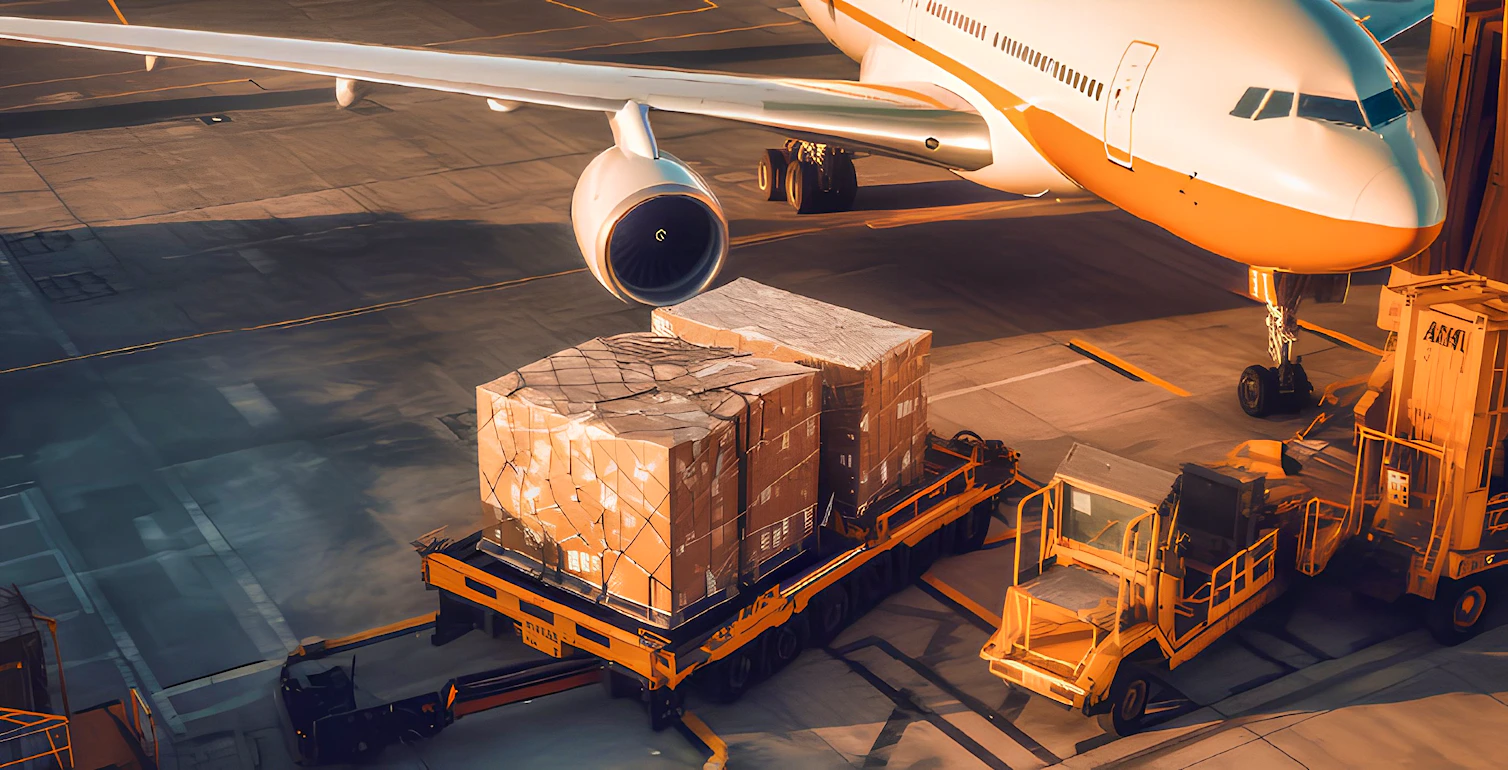
The global aviation industry again faces unprecedented headwinds. Having rebounded from the pandemic, airlines and airports now face a new challenge. A severe supply chain crisis is projected to cost the industry over $11 billion in 2025.
From aircraft delivery delays to parts shortages and rising maintenance costs, the turbulence is real - and persistent.
But within disruption lies opportunity. By embracing digital supply chain transformation, aviation leaders can not only weather the storm but emerge more resilient, agile and cost-efficient than ever before.
The perfect storm: Supply chain disruptions in aviation
The aviation supply chain is a complex, global network involving OEMs; maintenance, repair and overhaul (MRO) providers; logistics partners and regulatory bodies. In recent years, this network has been under pressure from:
- Delayed aircraft deliveries due to production bottlenecks and labor shortages
- Aging fleets that require more frequent and costly maintenance
- Limited availability of spare parts, driving up prices and turnaround times
Airlines grapple with ballooning maintenance costs, while airports face pressure to maintain service levels with constrained resources. These challenges aren’t just operational; they’re financial and perhaps even existential.
Digital innovation: Flight path to supply chain resilience
The answer to supply chain turbulence is digital solutions to unlock cost savings, improve operational efficiency and enhance supply chain visibility. With advancements in platforms, software and services, airlines can build operational resilience. Here’s how:
Predictive maintenance through AI, sensors, machine learning
Intelligent MRO solutions reduce unscheduled maintenance events by up to 30 percent. By integrating IoT sensors, AI and machine learning, airlines can shift from reactive to predictive maintenance. This reduces aircraft downtime, optimizes parts usage and extends asset life.
The HCLTech iMRO solution is a SAP S/4HANA-certified add-on to the core SAP enterprise asset management (EAM) system, building on digital supply chain capabilities provided by the underlying platform. The solution addresses complex maintenance requirements for heavy industries like aviation and is in use by leading global airlines.
Digital “control towers” and intelligent, data-driven visibility
Digital supply chain “control towers” provide real-time visibility across the aviation supply chain. This broad view supports proactive risk mitigation and smarter inventory decisions, including optimizing inventory locations and levels to reduce total cost of ownership.
Digital twin technologies further assist with demand forecasting and supplier collaborations, especially around planning for unforeseen events. Digital twinning involves a virtual replica of a physical system or process for simulation, analysis and optimization. By connecting a physical asset to its digital counterpart with real-time data, aviation supply chains can monitor performance, predict failures and improve operations.
HCLTech intelligent Service and Asset Management (iSAM) works with SAP ERP to support the entire aviation enterprise, including the supply chain. iSAM lets teams work together from a single data set across multiple departments, from front-line maintenance to back-office personnel.
Cloud-enabled infrastructure modernization
Legacy systems have been a major barrier to aviation agility. Held back by older, inflexible systems, aviation supply chains can’t react to market disruptions in a timely manner.
Legacy modernization and cloud migration help airlines and airports transition smoothly to scalable, secure, cost-effective platforms. This strong foundation significantly improves time-to-market for new aviation-related services and capabilities.
HCLTech uses an AI-intrinsic approach to legacy modernization. This slashes the risk associated with these migrations, while reducing time and effort to support such major changes.
HCLTech advantage: Aviation expertise and technology depth
With extensive experience in the aviation sector, HCLTech brings a powerful blend of domain expertise, engineering excellence and digital innovation. Our solutions are designed to:
- Reduce operational costs through automation and AI.
- Enhance supply chain resilience with real-time data and analytics.
- Accelerate digital transformation with cloud native platforms and agile delivery.
Ready for takeoff?
The aviation industry and its supply chain are at a crossroads. Those who invest in digital transformation today will be the ones leading the skies tomorrow. At HCLTech, we’re ready to help you navigate marketplace turbulence and chart a course toward sustainable growth.
Let’s engineer a better future for aviation together.

